Early Cape Stinkwood Rusbank with Simplified Queen Anne & Van der Stel futures – Late 18th Century or Earlier
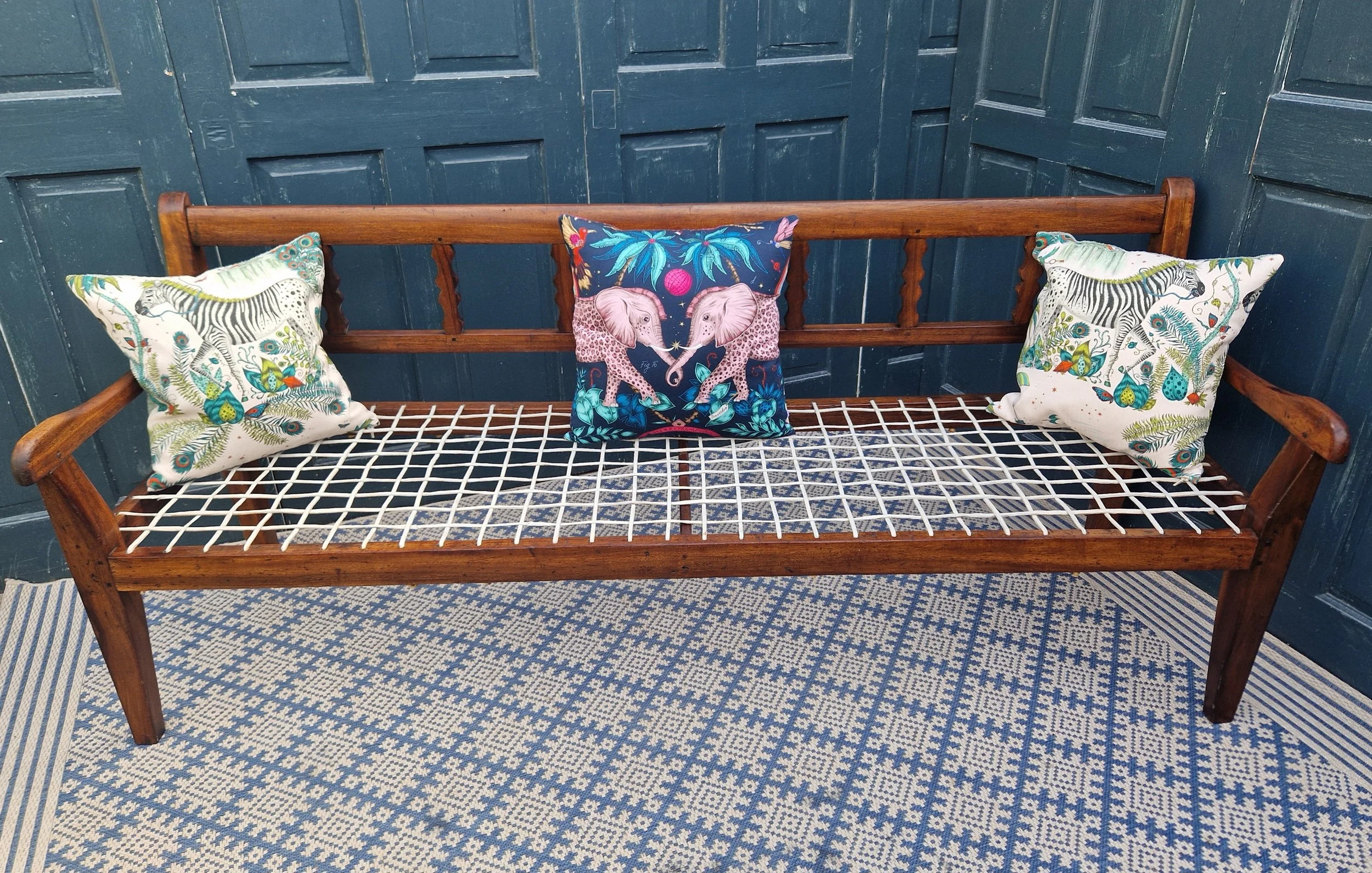
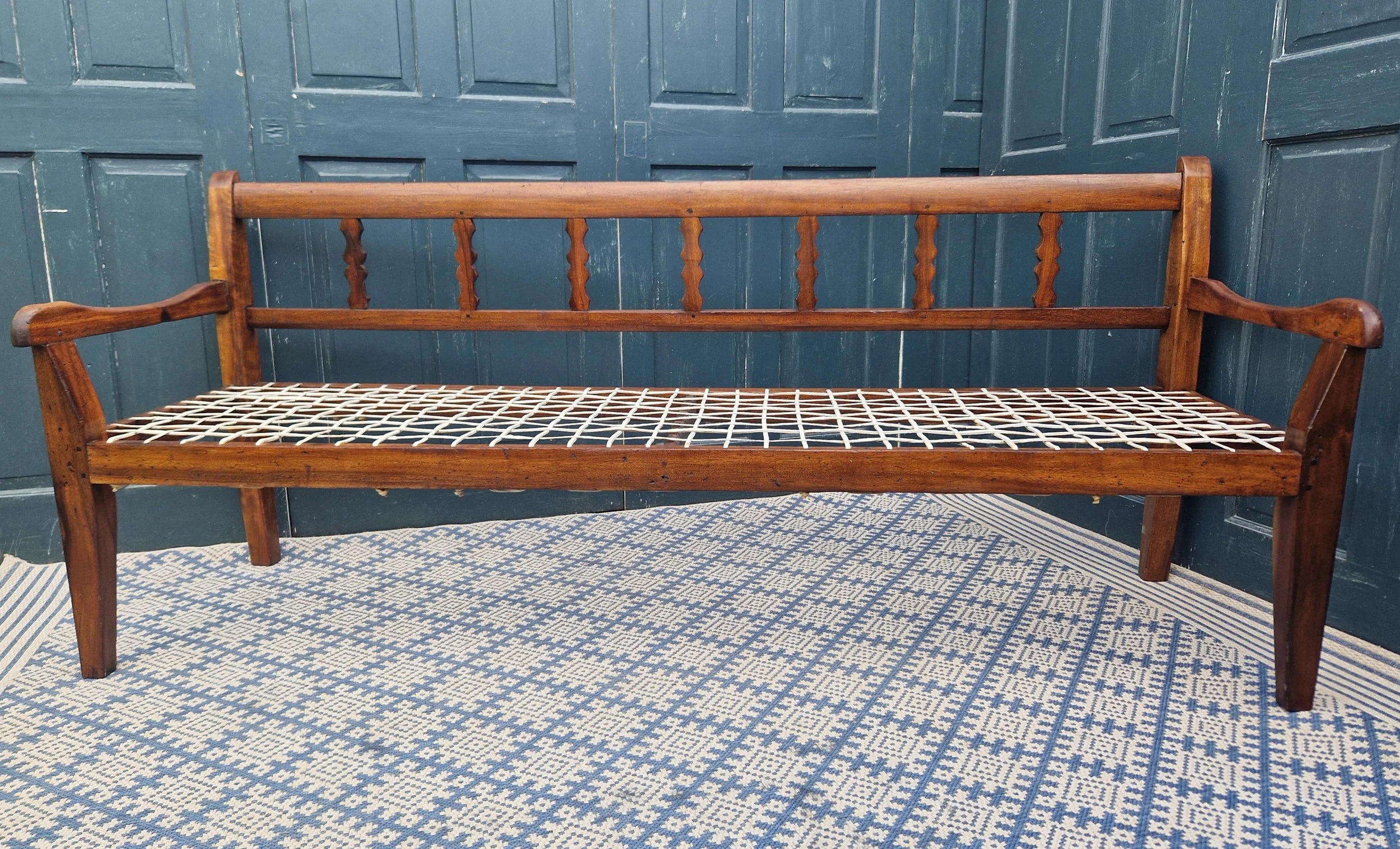
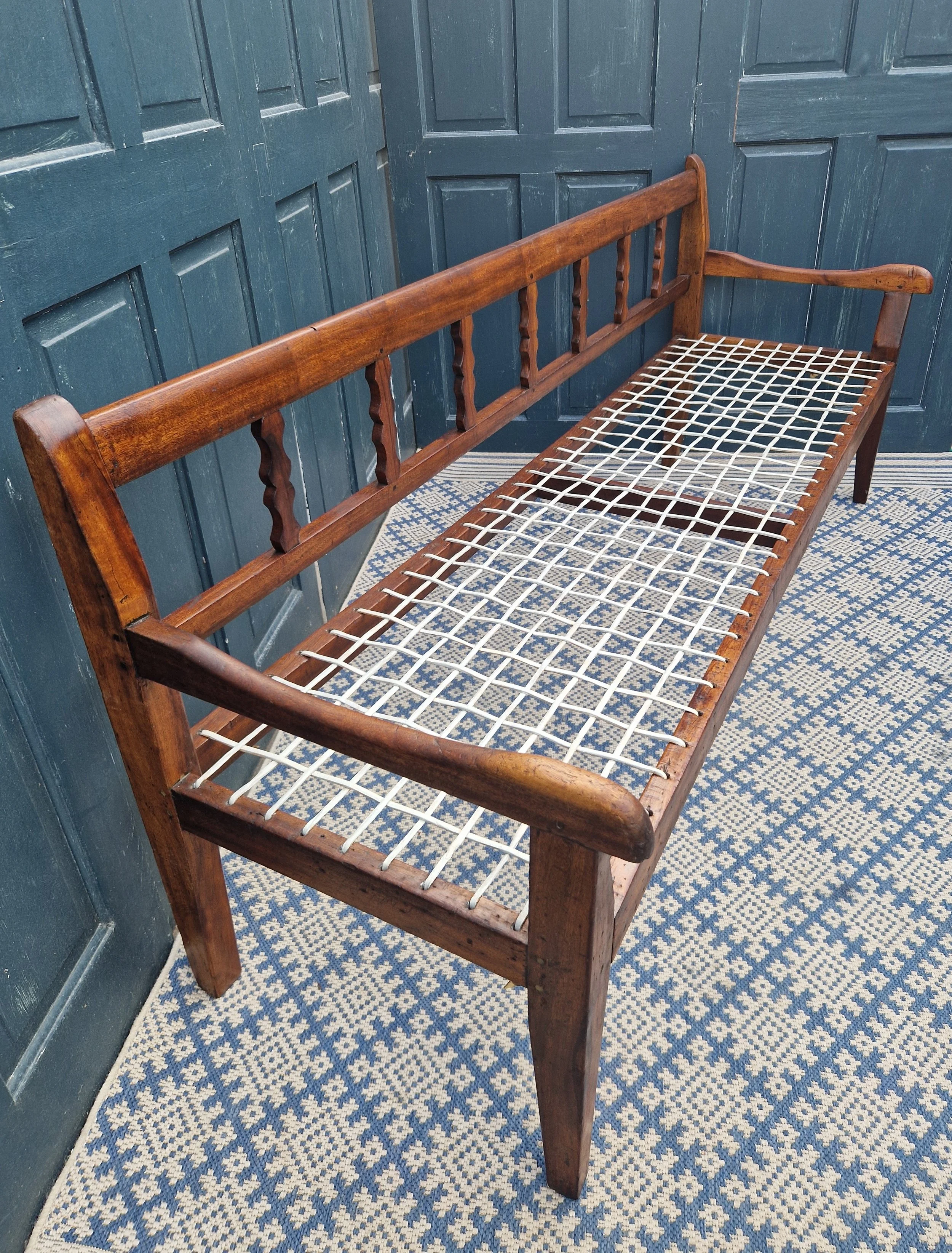
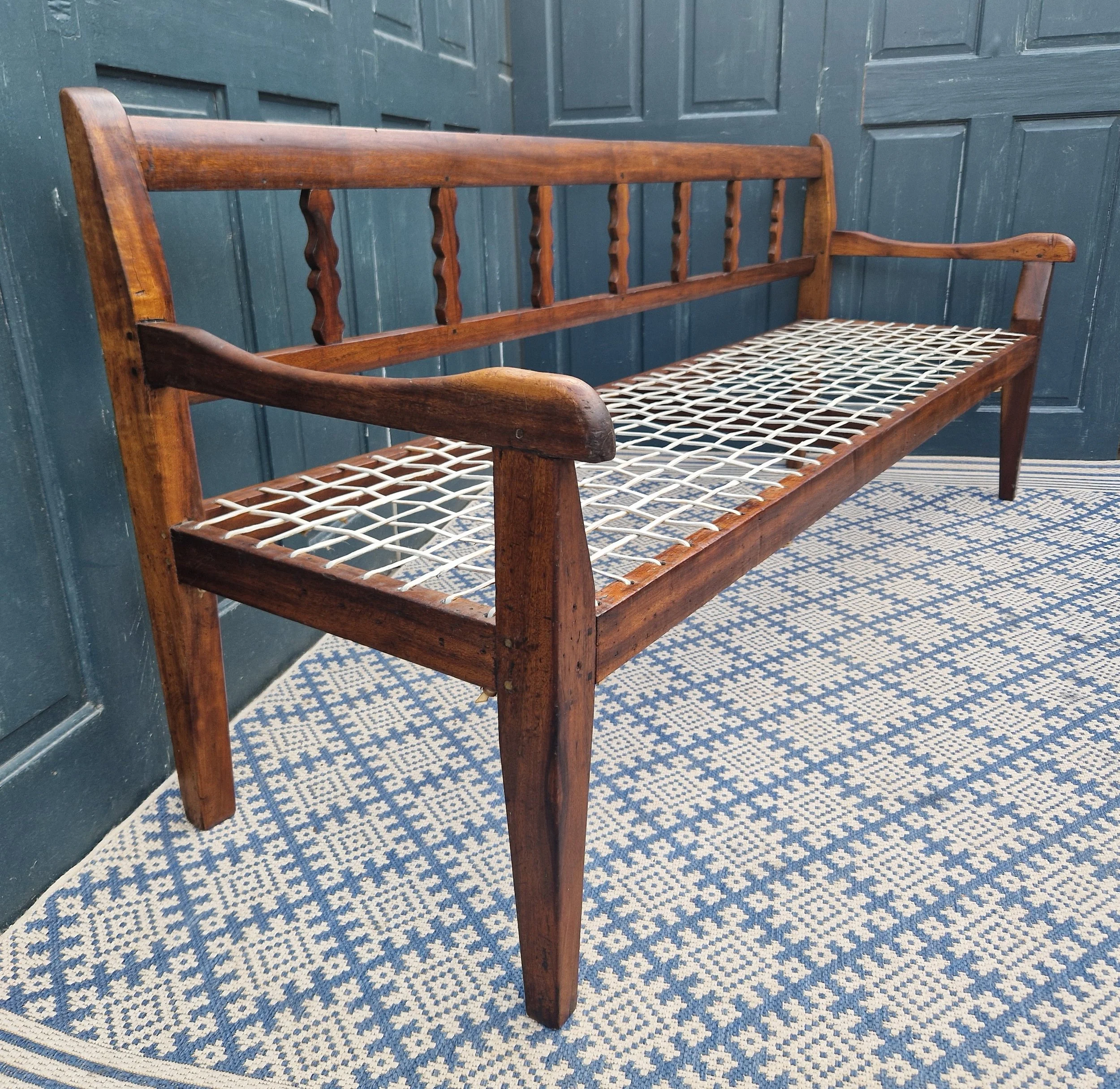
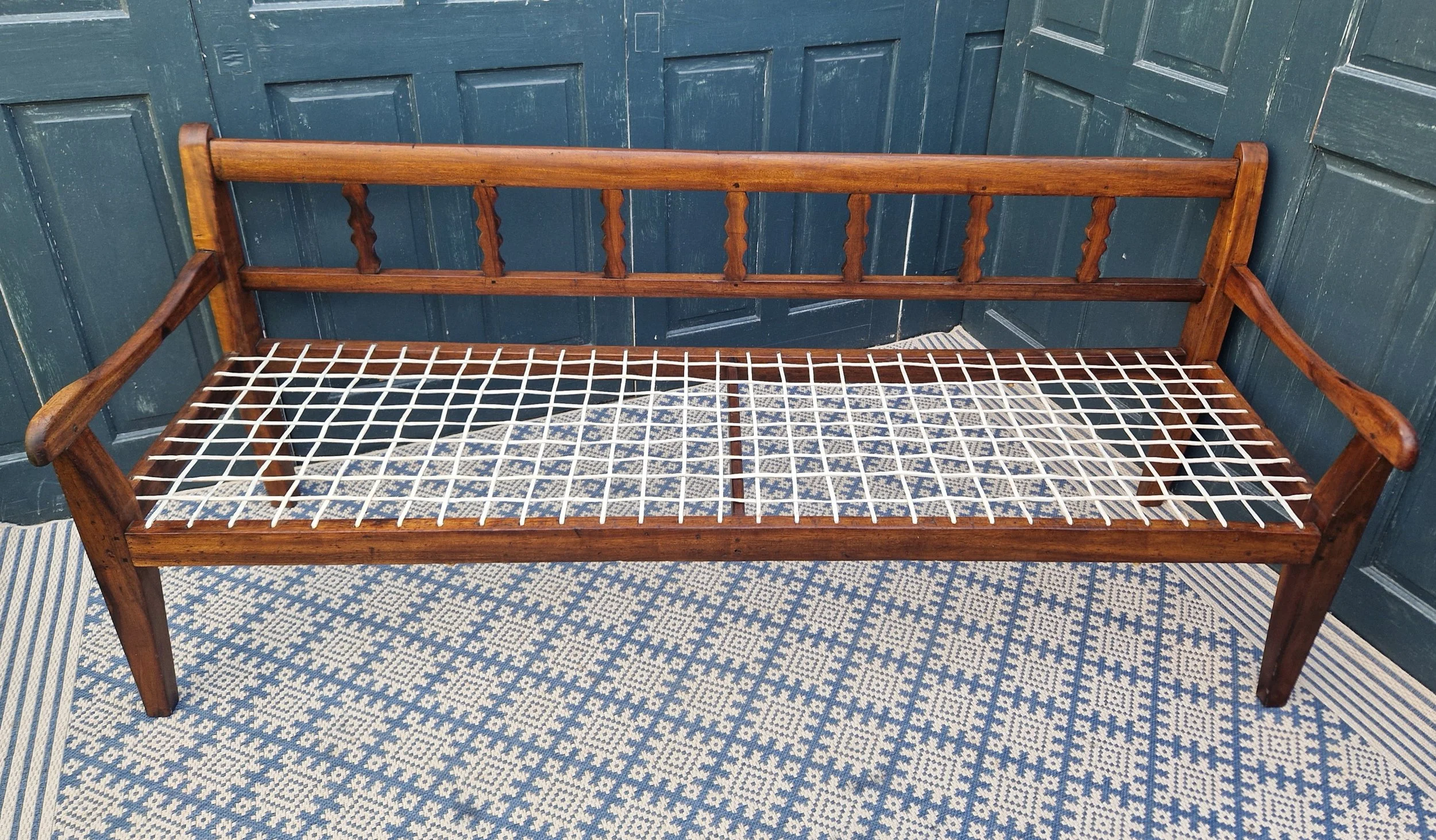
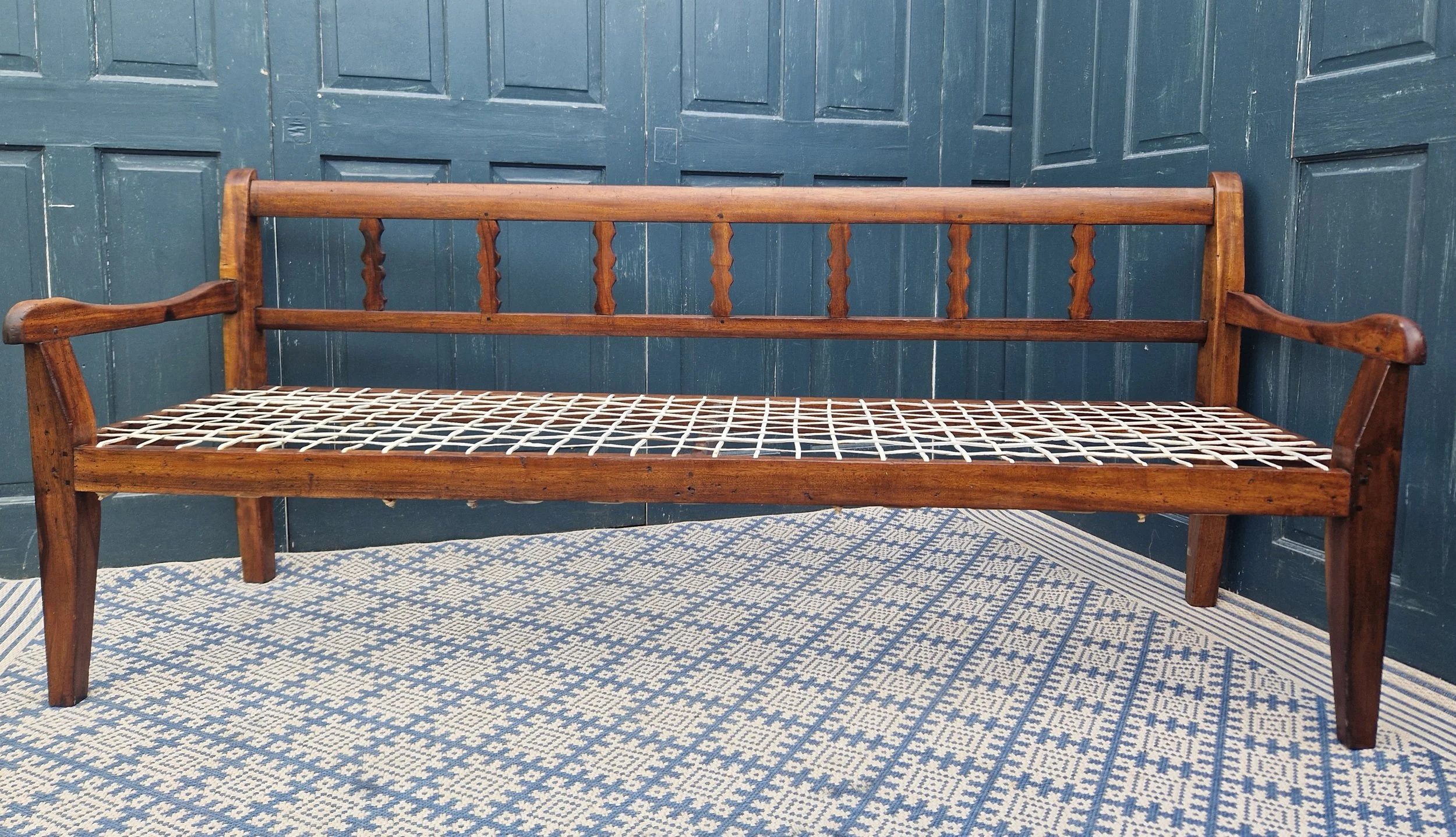
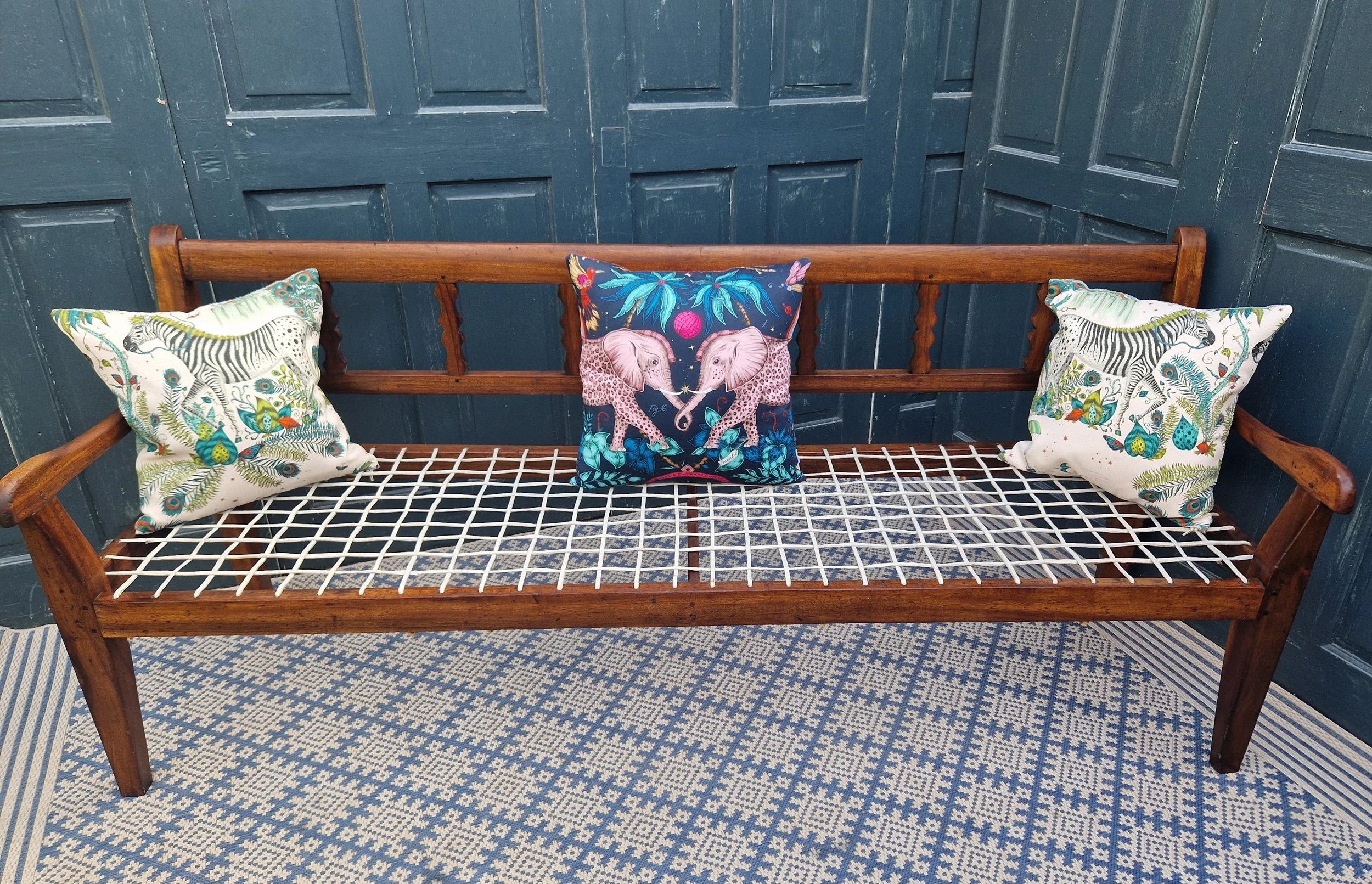
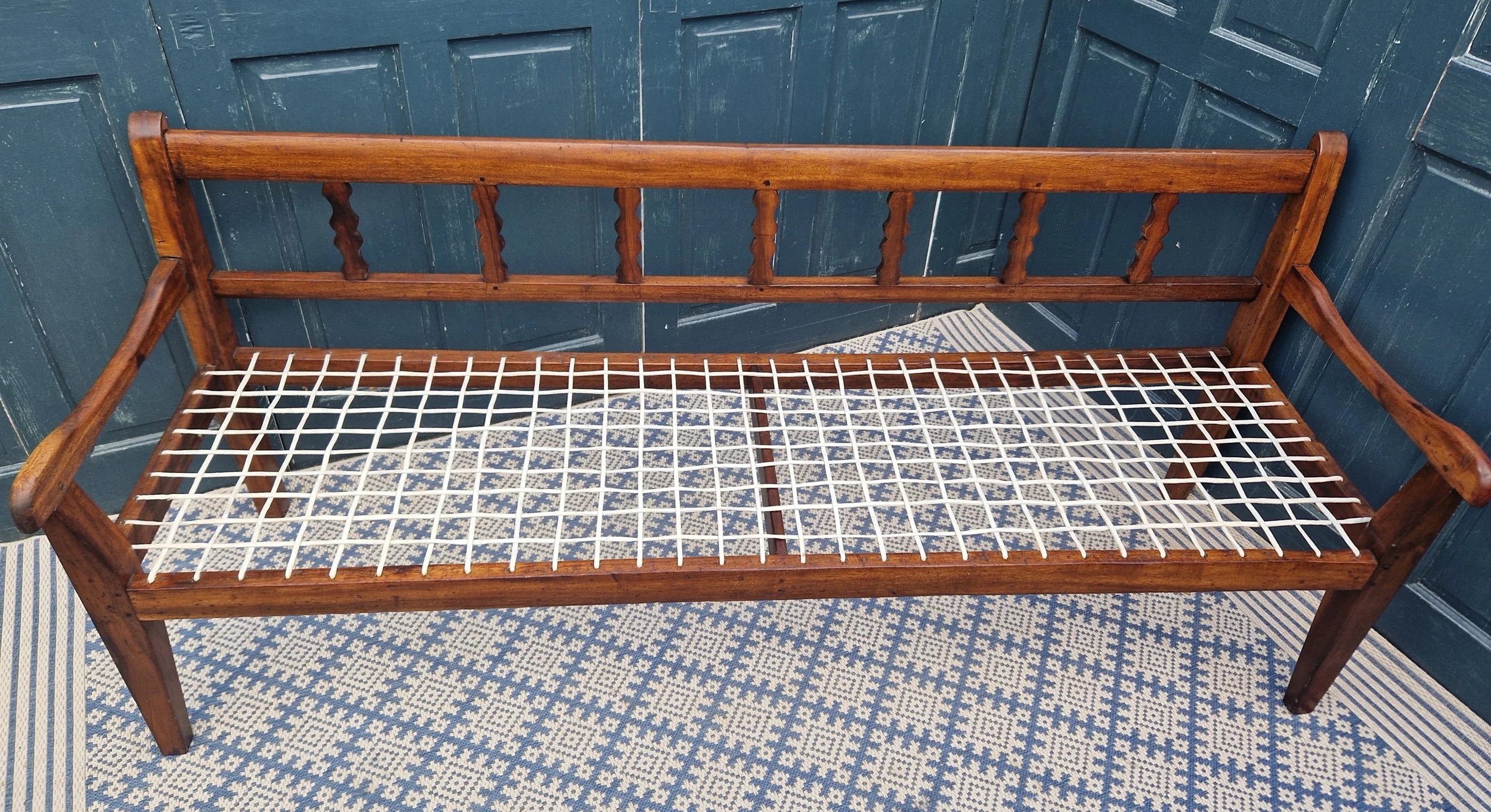
Early Cape Stinkwood Rusbank with Simplified Queen Anne & Van der Stel futures – Late 18th Century or Earlier
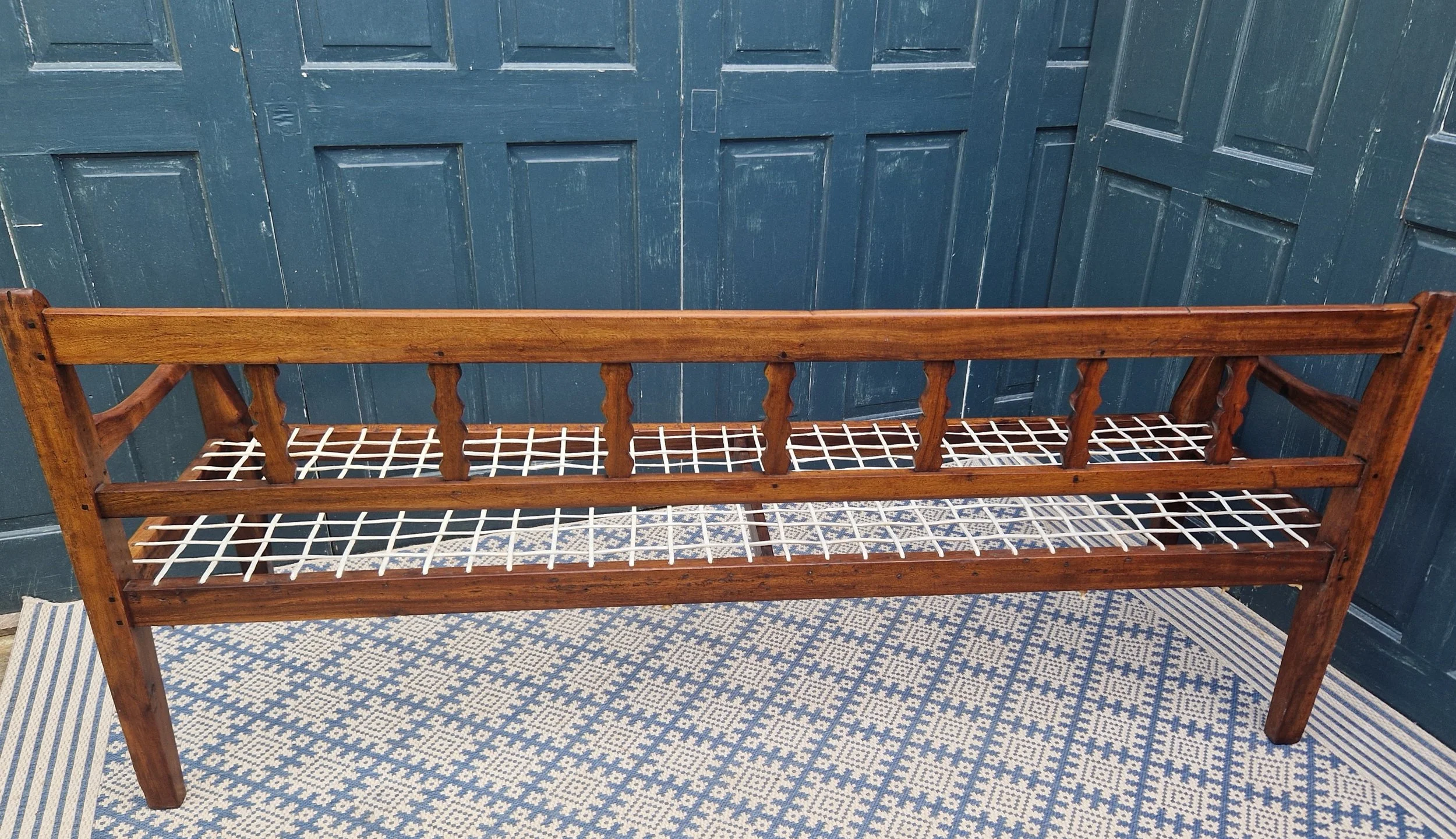
An exceptionally scarce early Cape rusbank (riempiesbank), traditionally associated with the Dutch colonial furniture-making tradition of the Cape of Good Hope (South Africa).
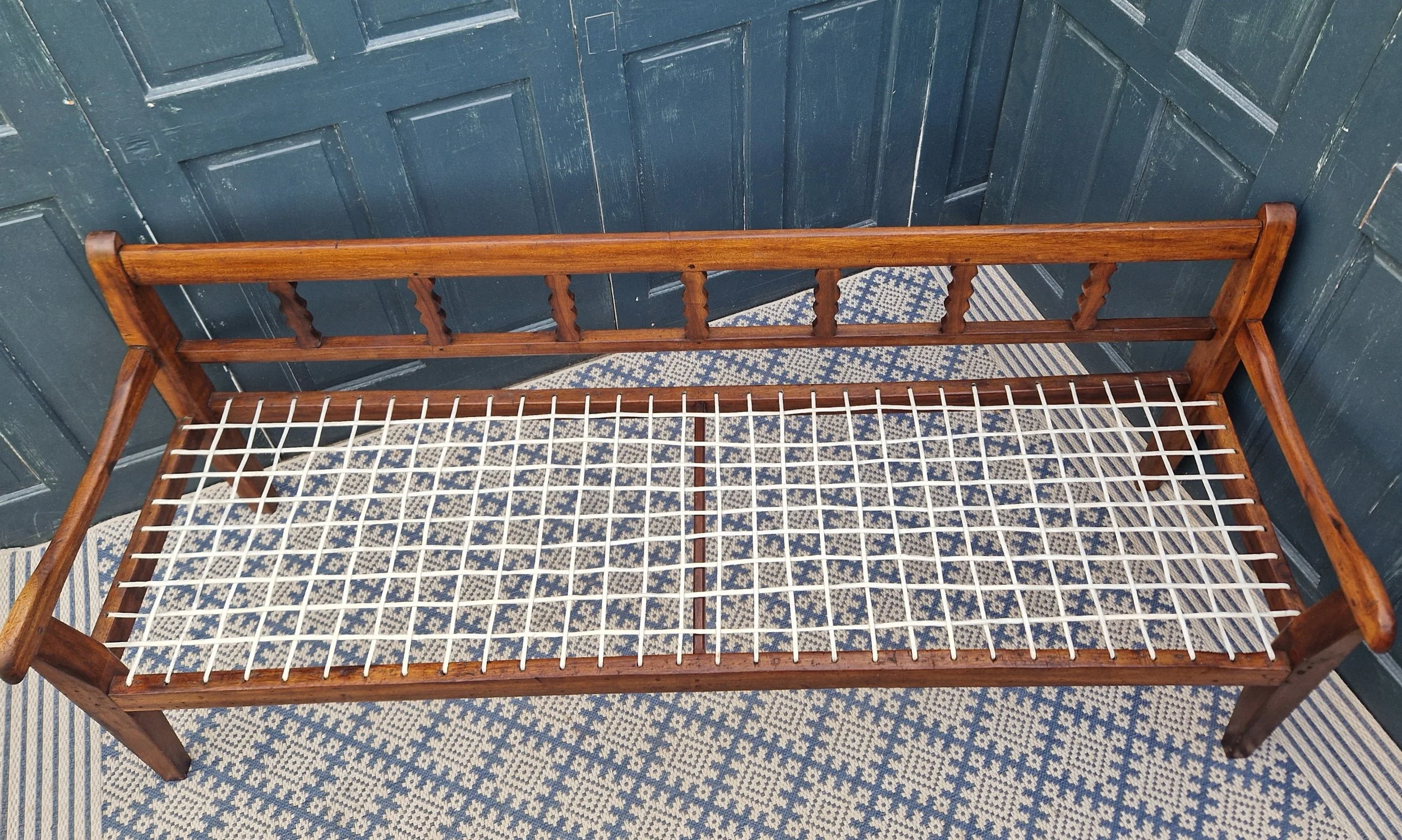
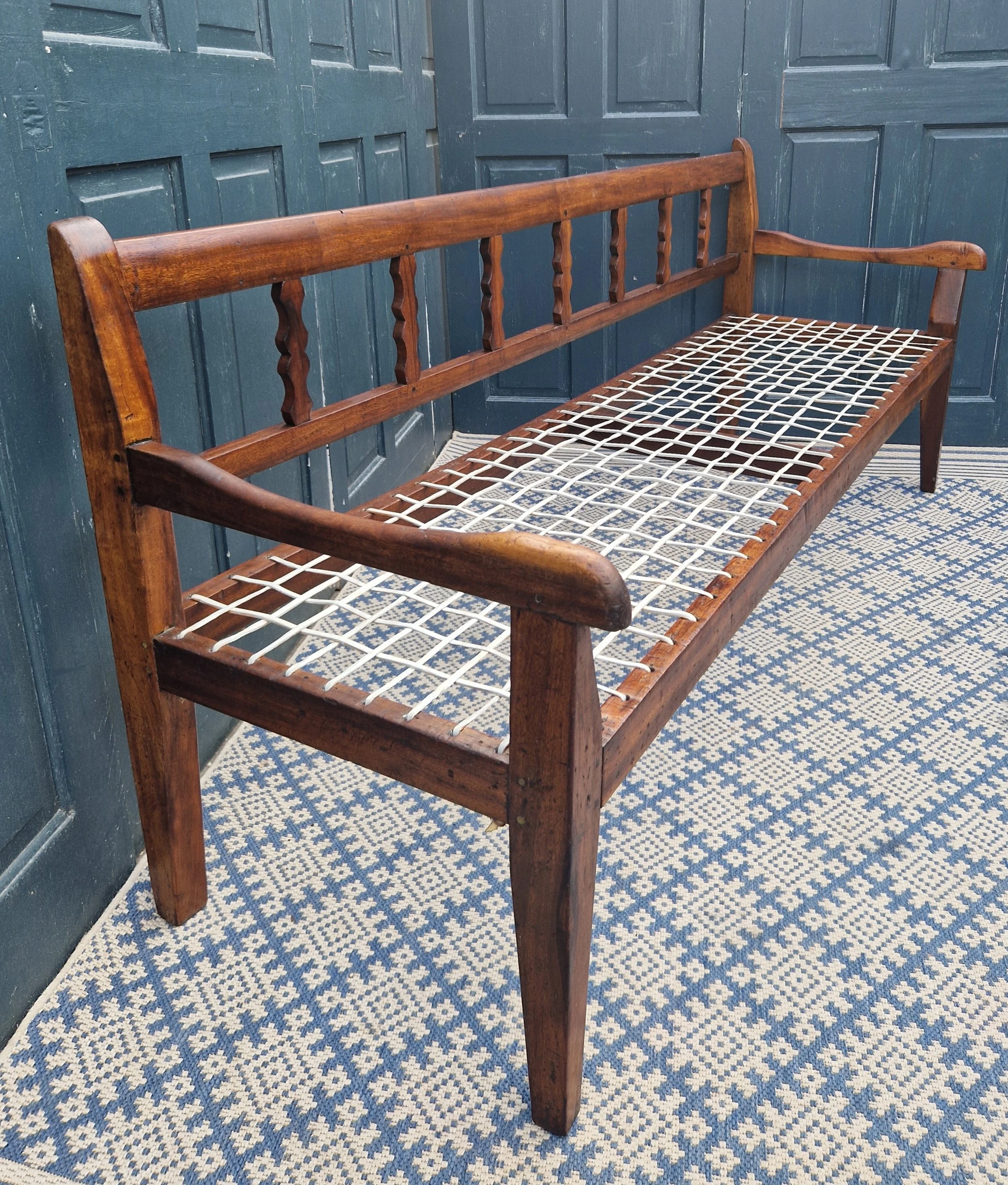
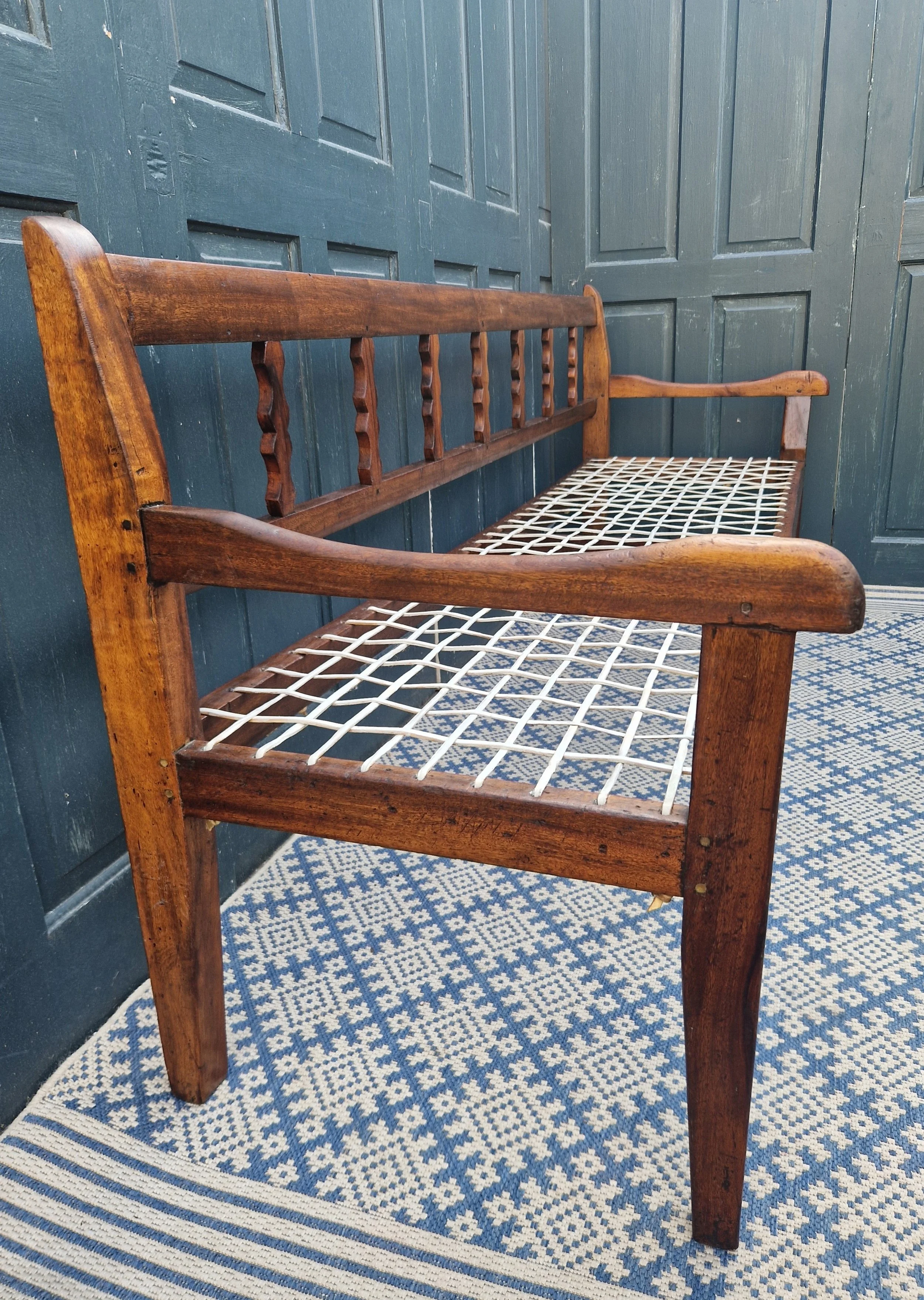
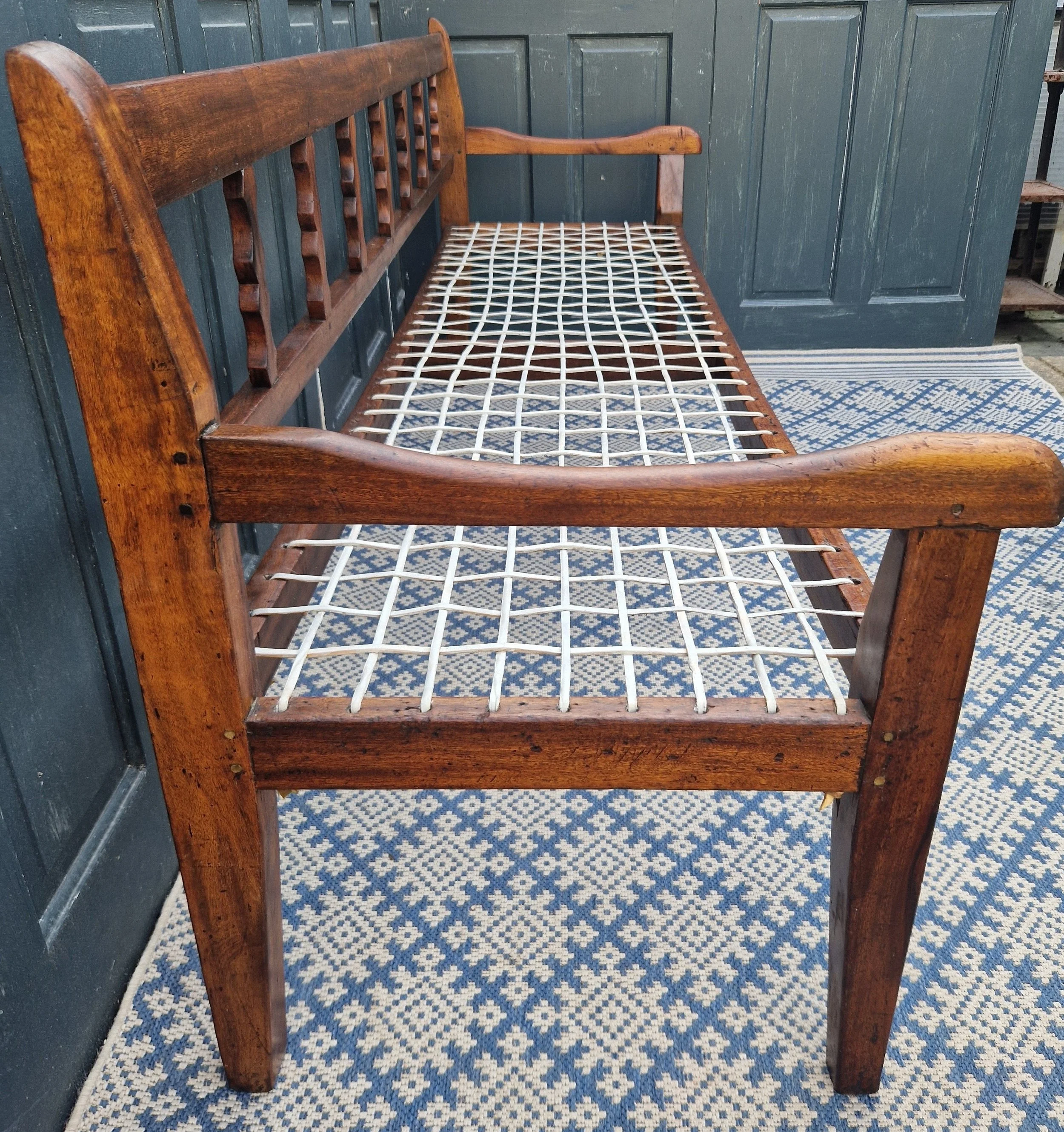
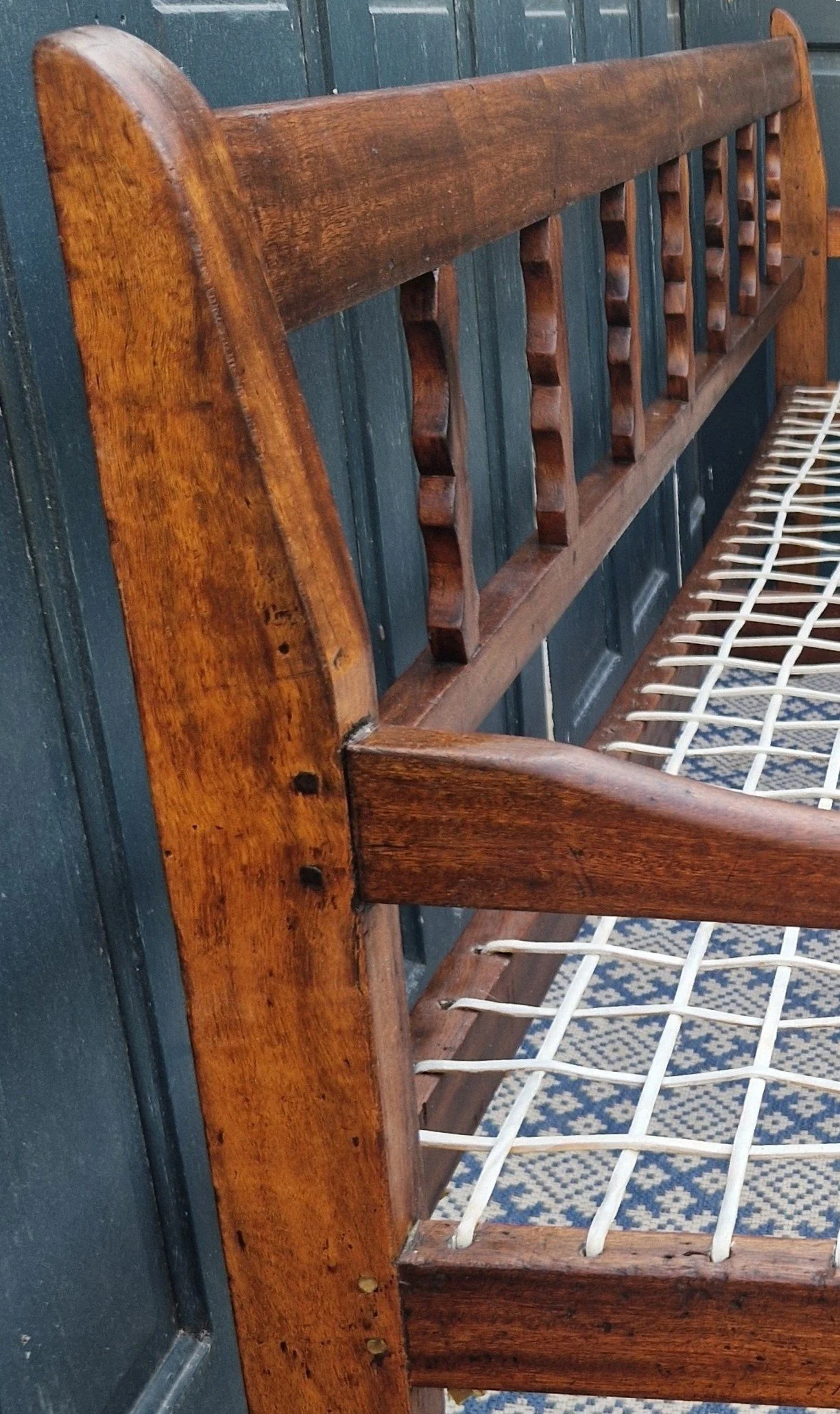
Constructed in richly patinated indigenous Cape stinkwood, this substantial and beautifully proportioned bench displays the distinctive characteristics of the simplified Queen Anne and Van der Stel traditions, reflecting the restrained interpretation of European Baroque and early Rococo furniture styles by craftsmen working in the Cape Colony.
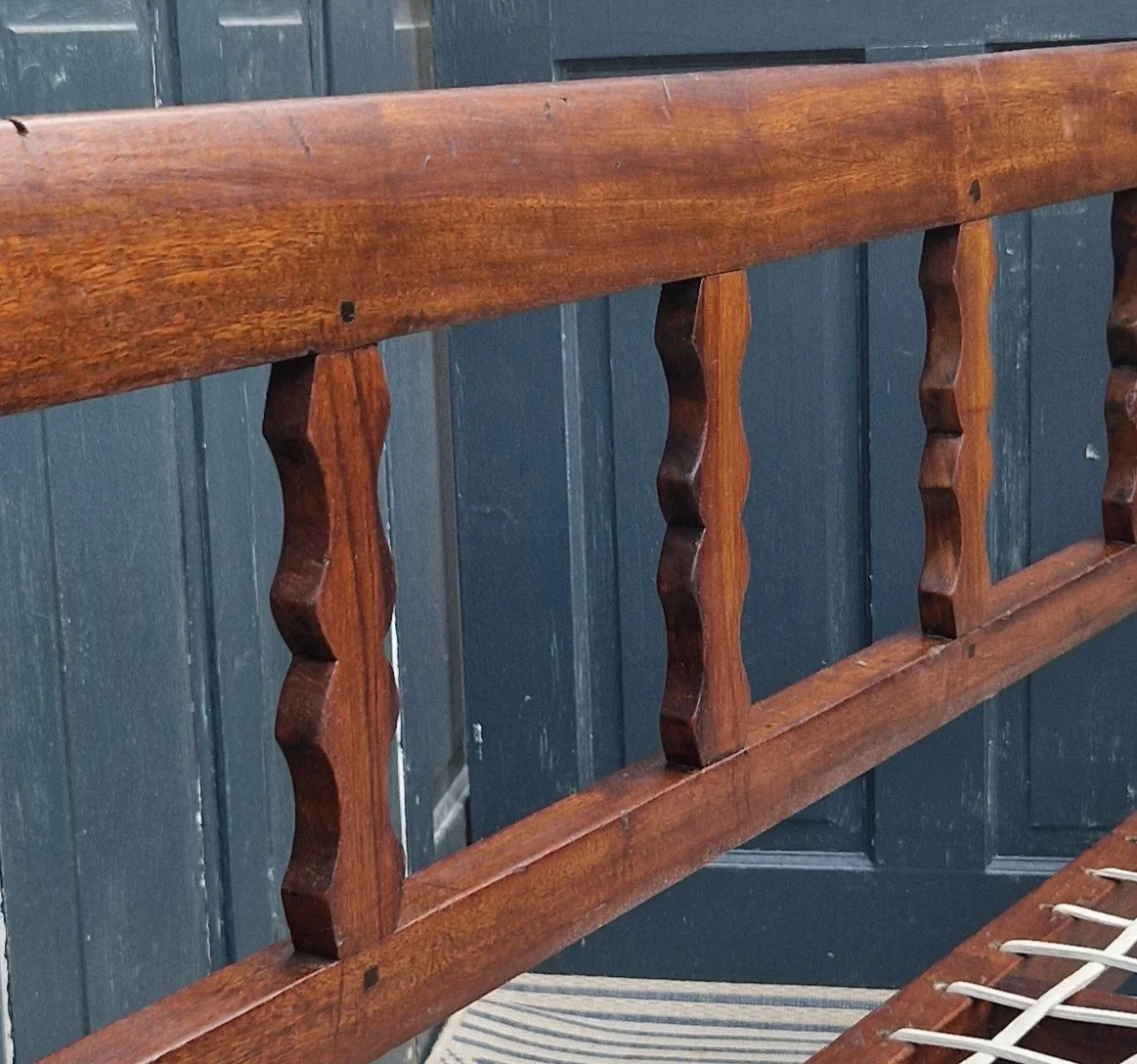
The shaped back slats exhibits the simplified decorative vocabulary associated with Cape rusbank construction, while the curved arms introduce a Queen Anne influence. This combination of stylistic features is consistent with the distinctive blending of traditions found in surviving eighteenth-century Cape furniture.
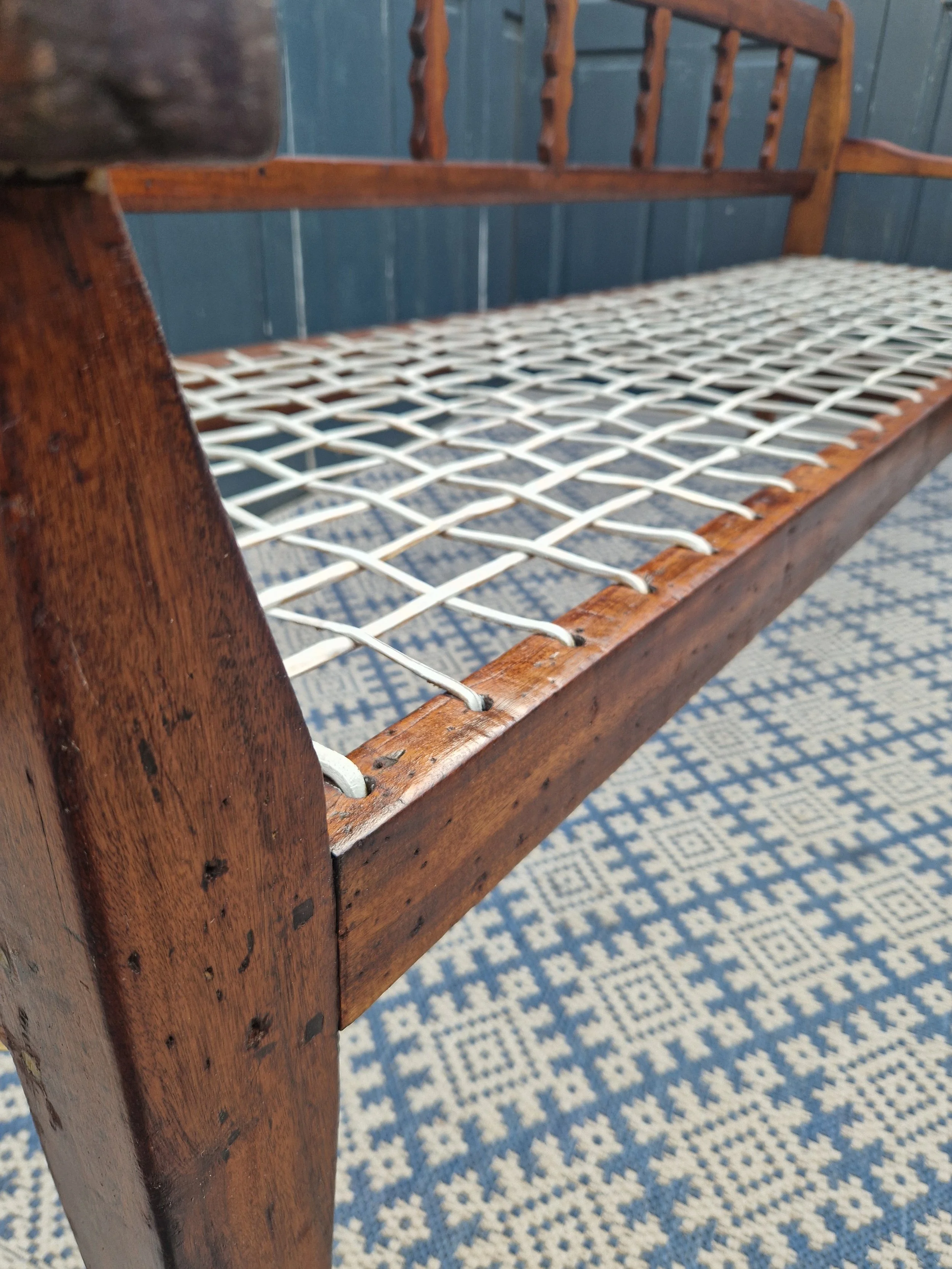
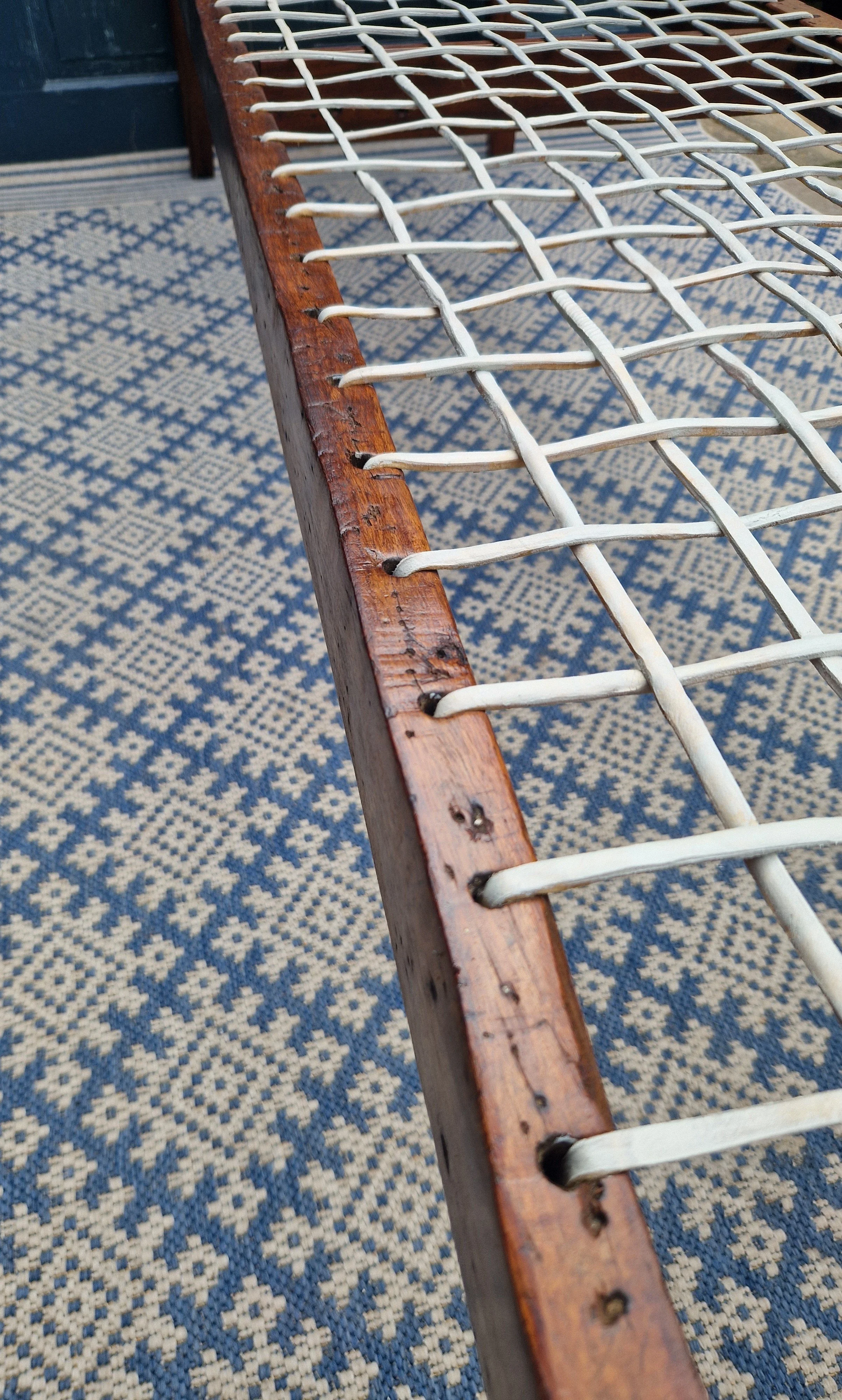
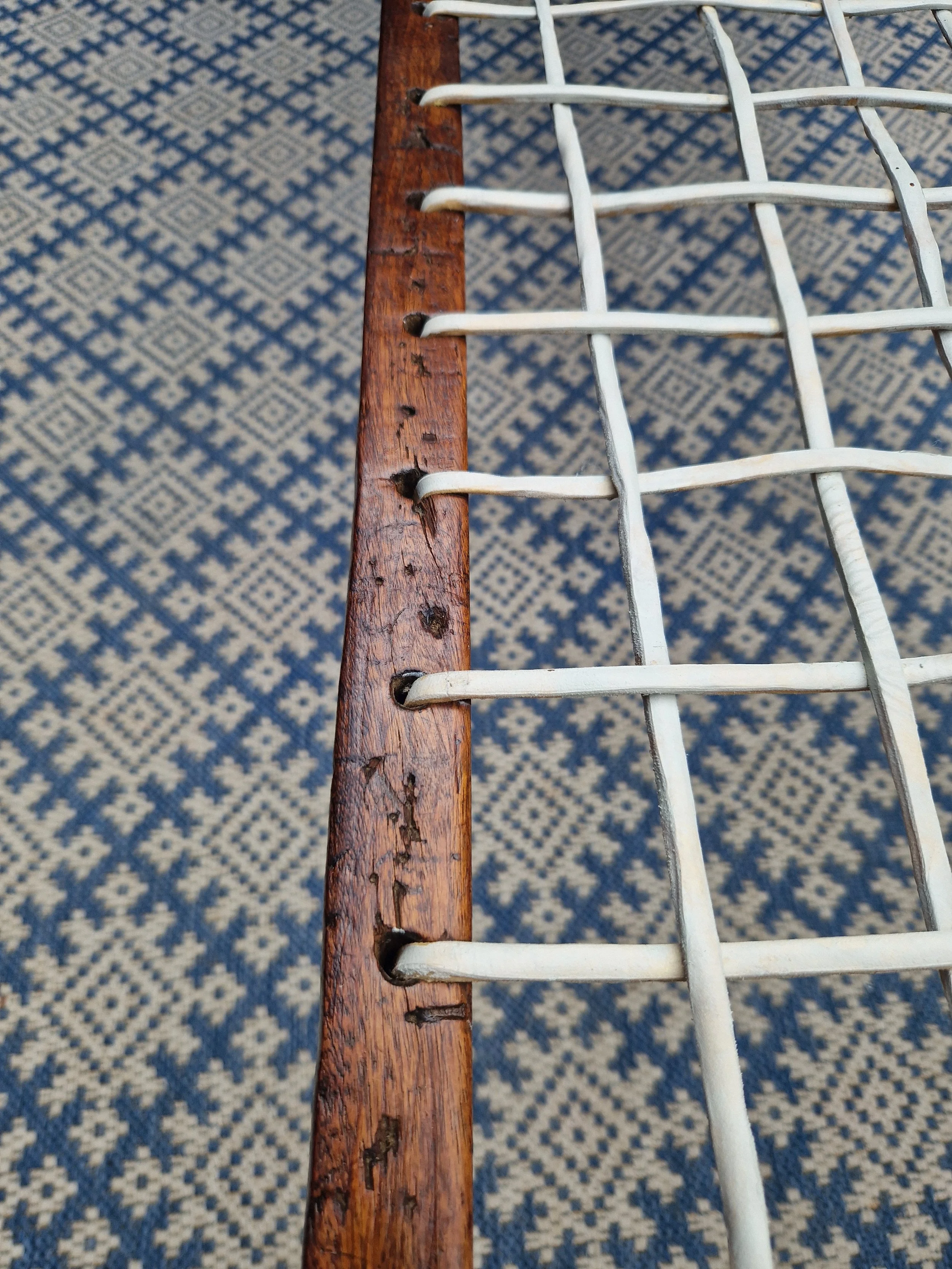
The bench retains its original wooden framework, including the arms, uprights, back components and legs, with traditional joinery and an attractive surface displaying the accumulated character of considerable age.
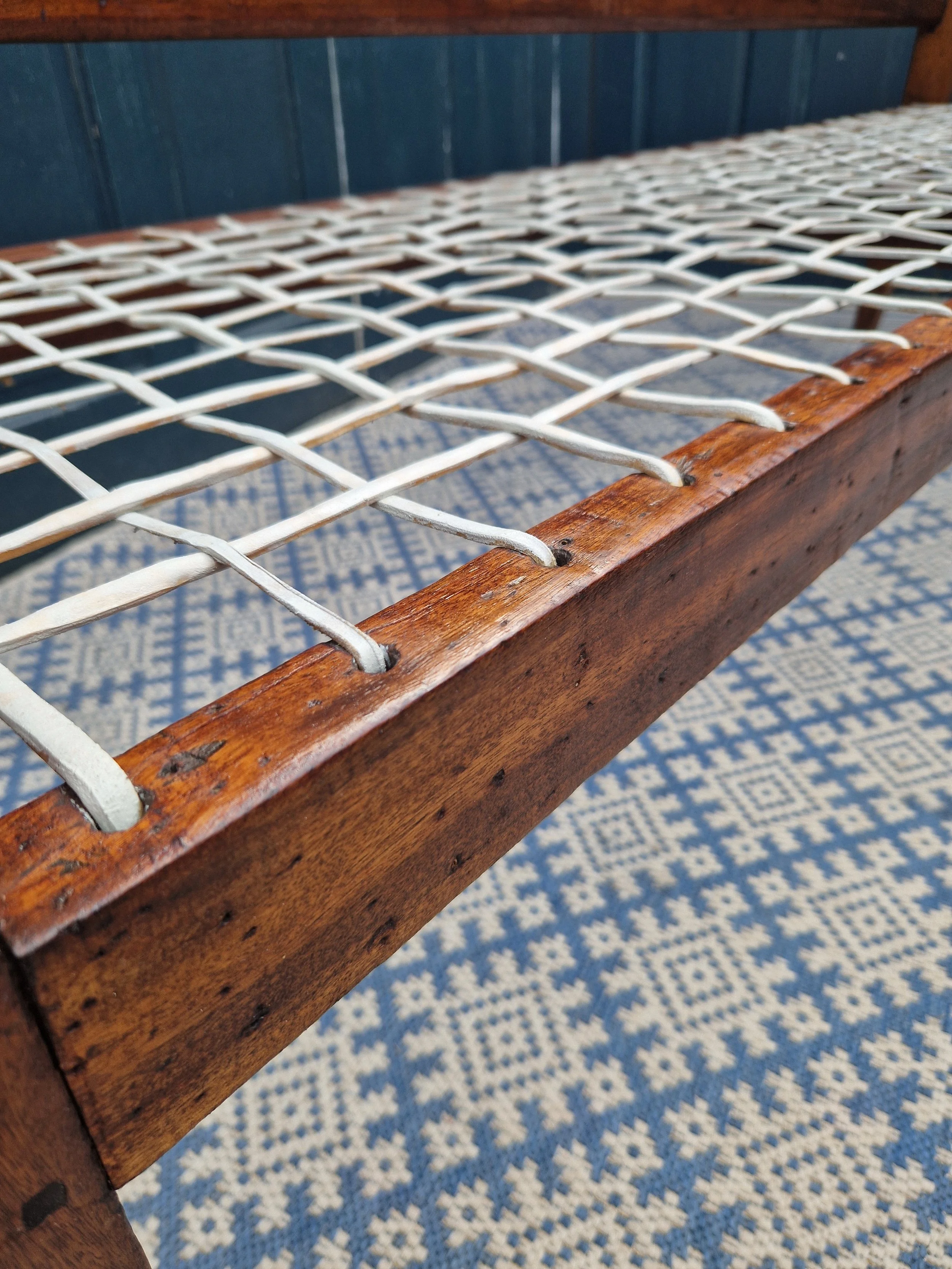
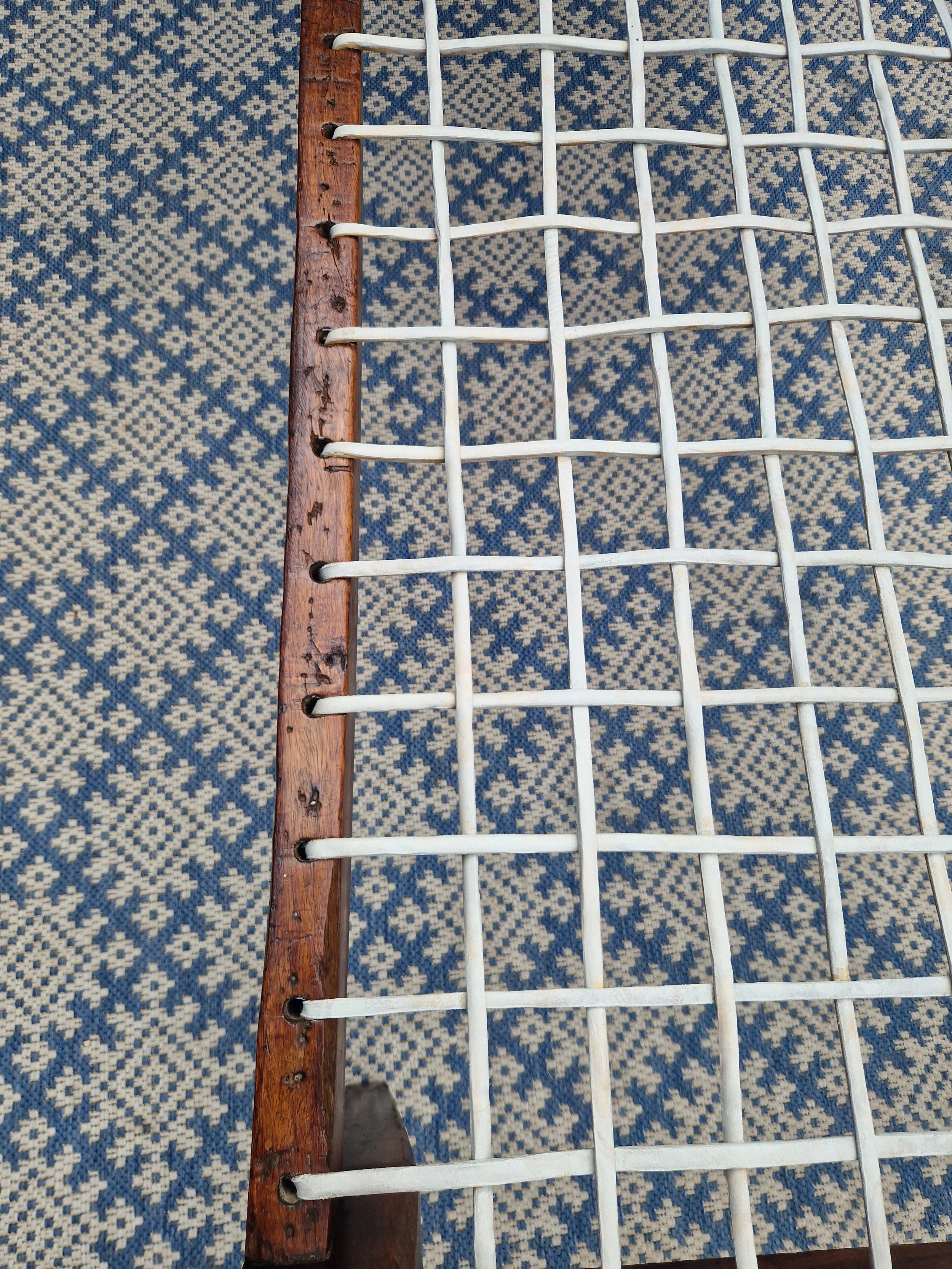
The seat is traditionally woven with riempies (leather thongs), a characteristic feature of South African (originally Cape) colonial seating furniture.
Condition & Originality
A particularly appealing feature of this example is the preservation of its original wooden framework.
The bench retains its original structural components, with age-related surface wear, historic marks and an attractive, mellow patina consistent with long use.
Historical & Bibliographical Reference:
Matilda Burden, Old Cape Furniture: Studies in Styles.
For further historical and stylistic context, reference is made to Matilda Burden's Old Cape Furniture: Studies in Styles, a specialist study of traditional Cape furniture and its development.
The rusbank offered here is considered within the Cape vernacular furniture tradition, incorporating elements of the simplified Queen Anne and Van der Stel styles, adapted to the practical requirements and materials of the early Cape settlement.
Dimensions: 188cm Wide, 81cm Height, 40cm Seat Height, 56cm Depth
Price breakdown: Cape Rusbank (riempiesbank - £2750, Courier/Delivery Fee UK MAINLAND ONLY £100
Quisque iaculis facilisis lacinia. Mauris euismod pellentesque tellus sit amet mollis.