Rare Set of Six Ancient Terracotta Temple Relief Tiles — Burmese, 11th–15th Century
Rare Set of Six Ancient Terracotta Temple Relief Tiles — Burmese, 11th–15th Century
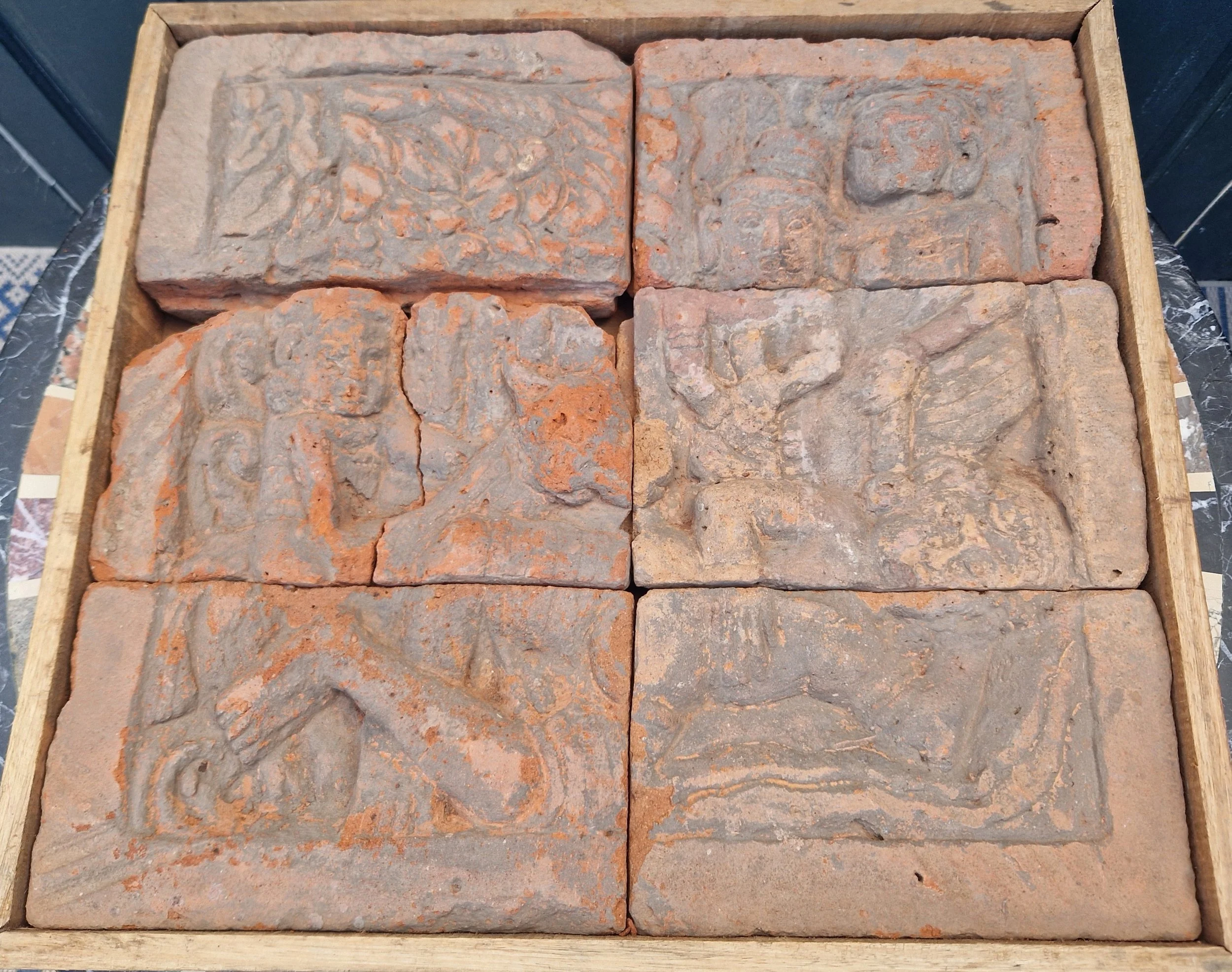
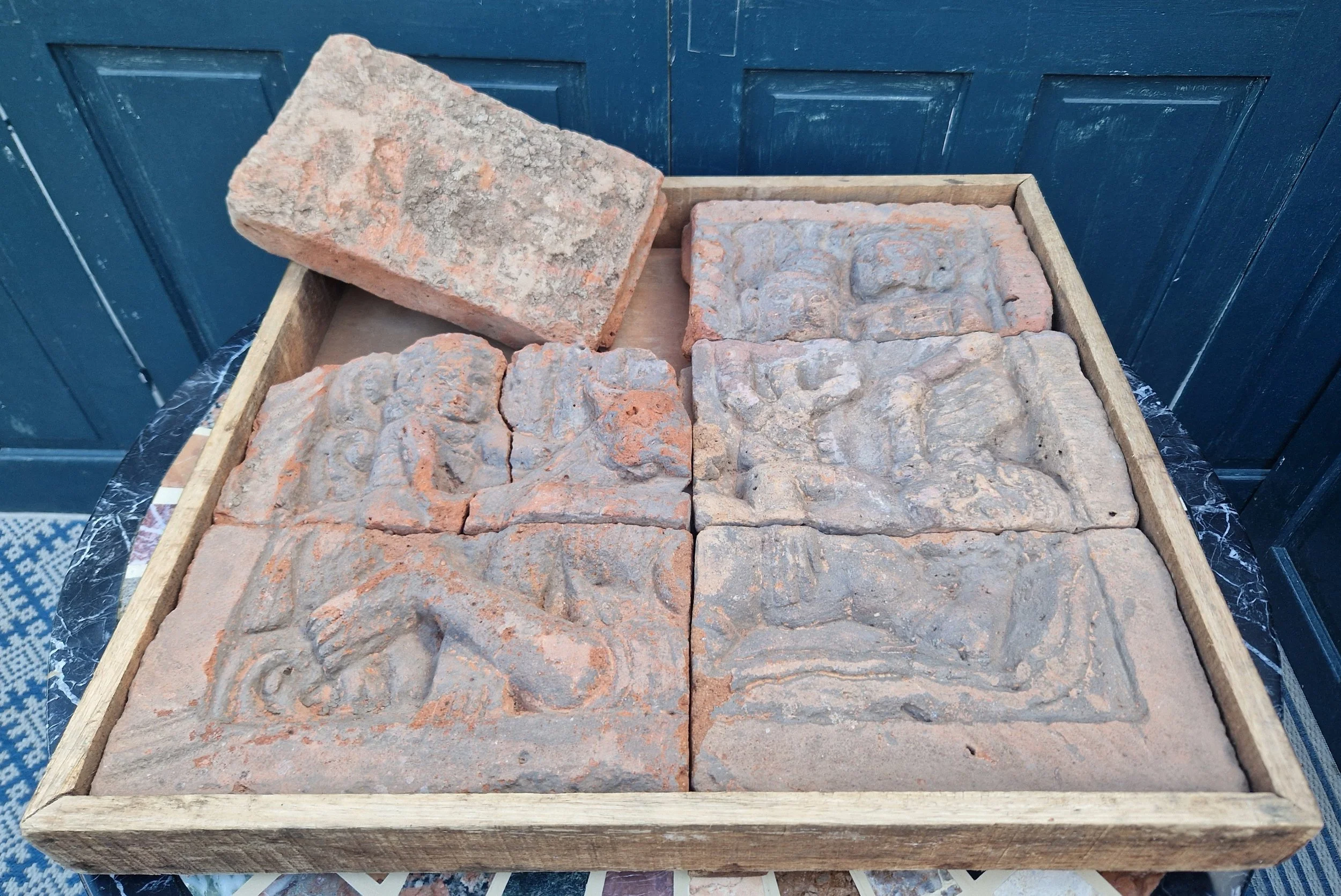
An impressive and unusual set of six substantial, unglazed terracotta architectural relief tiles, originating from Burma (modern-day Myanmar) or neighbouring regions of South and Southeast Asia and attributed to the 11th–15th century.
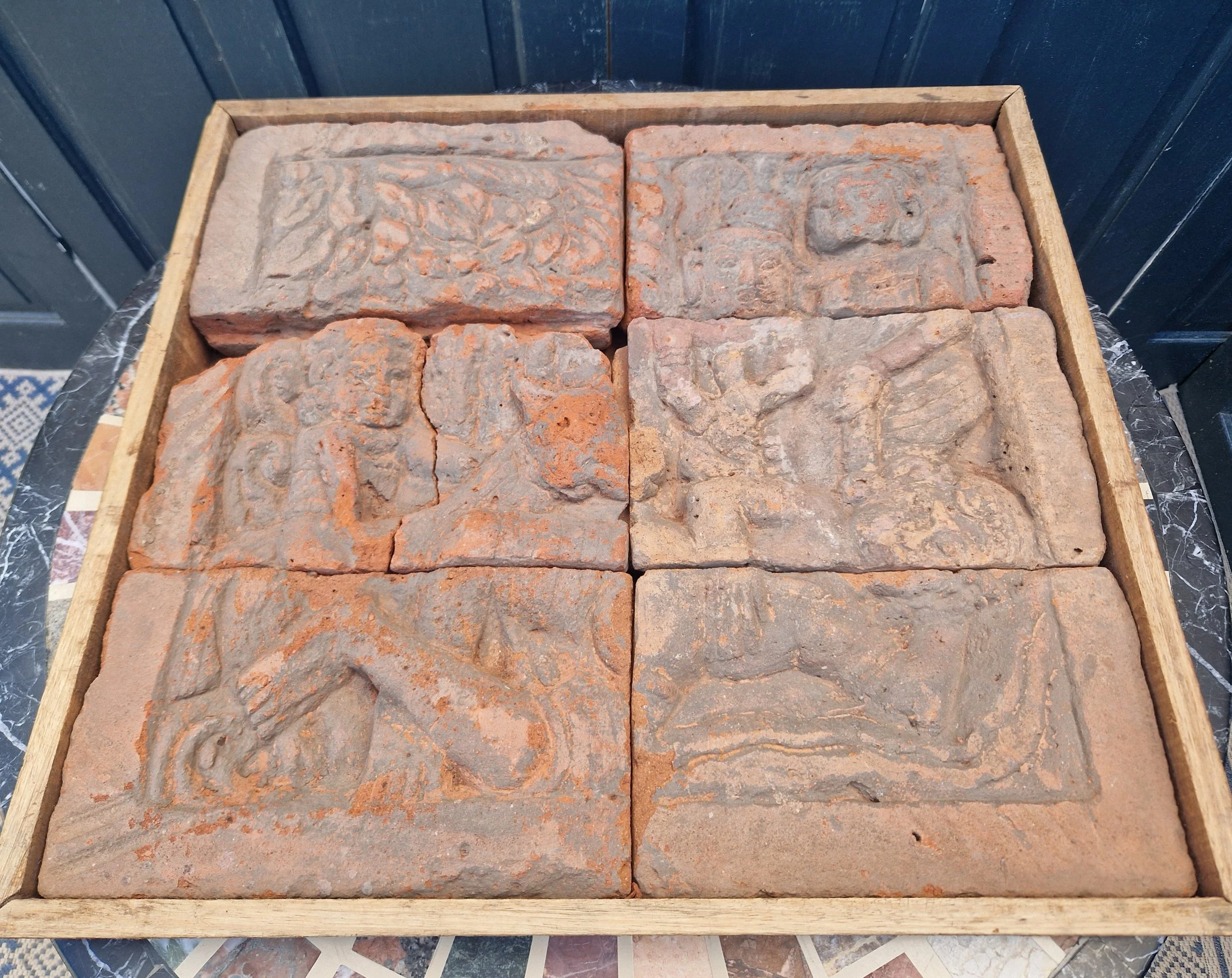
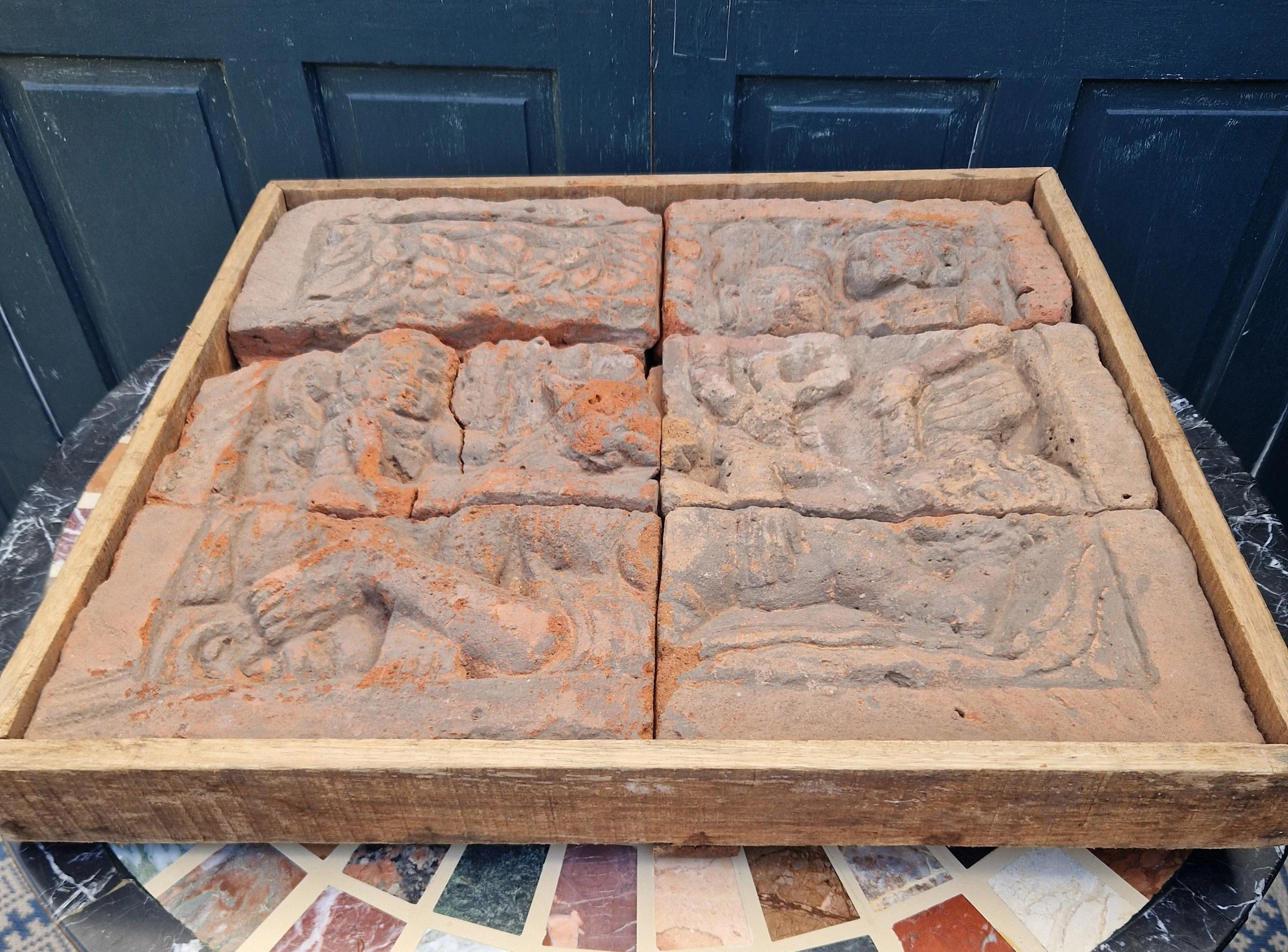
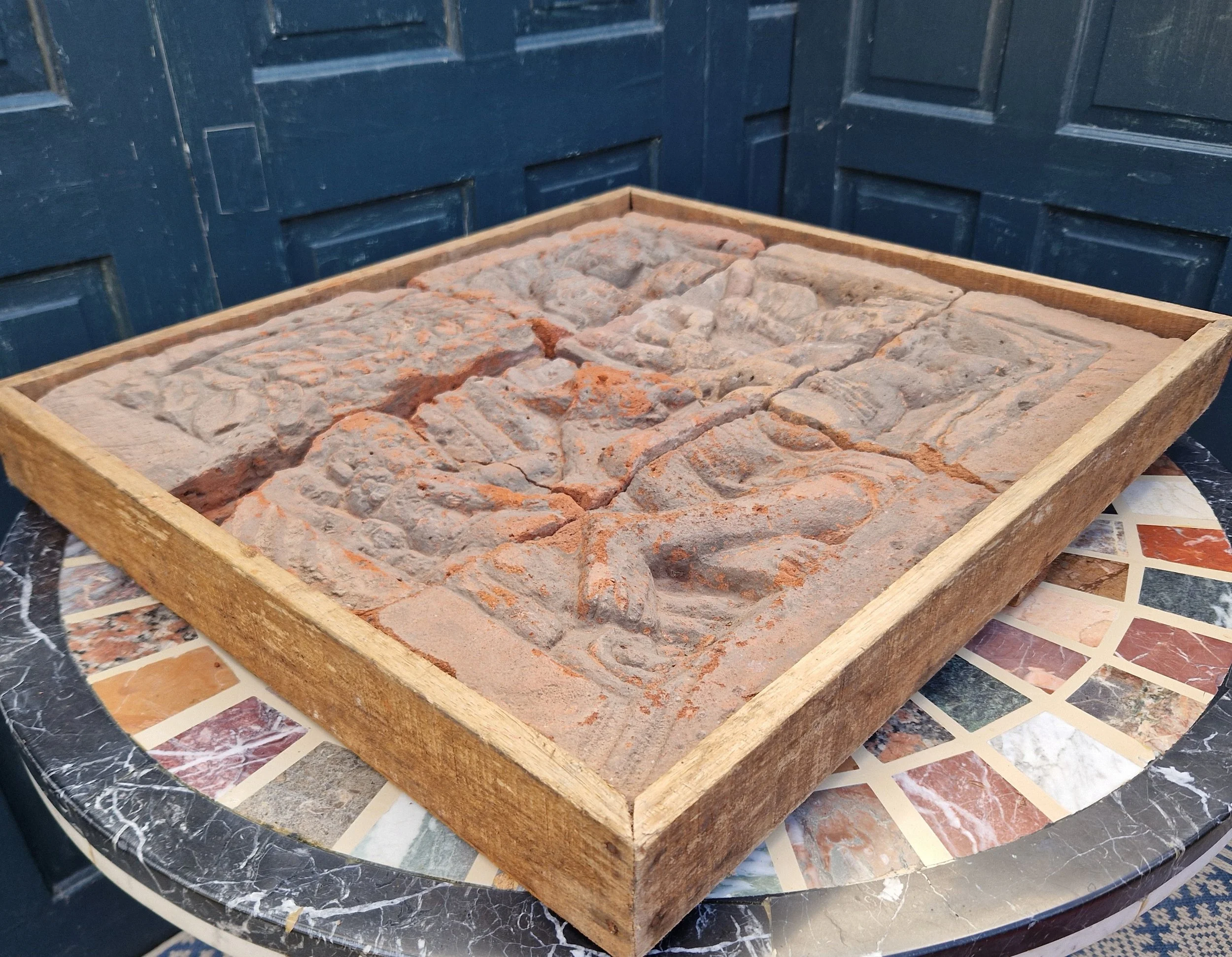
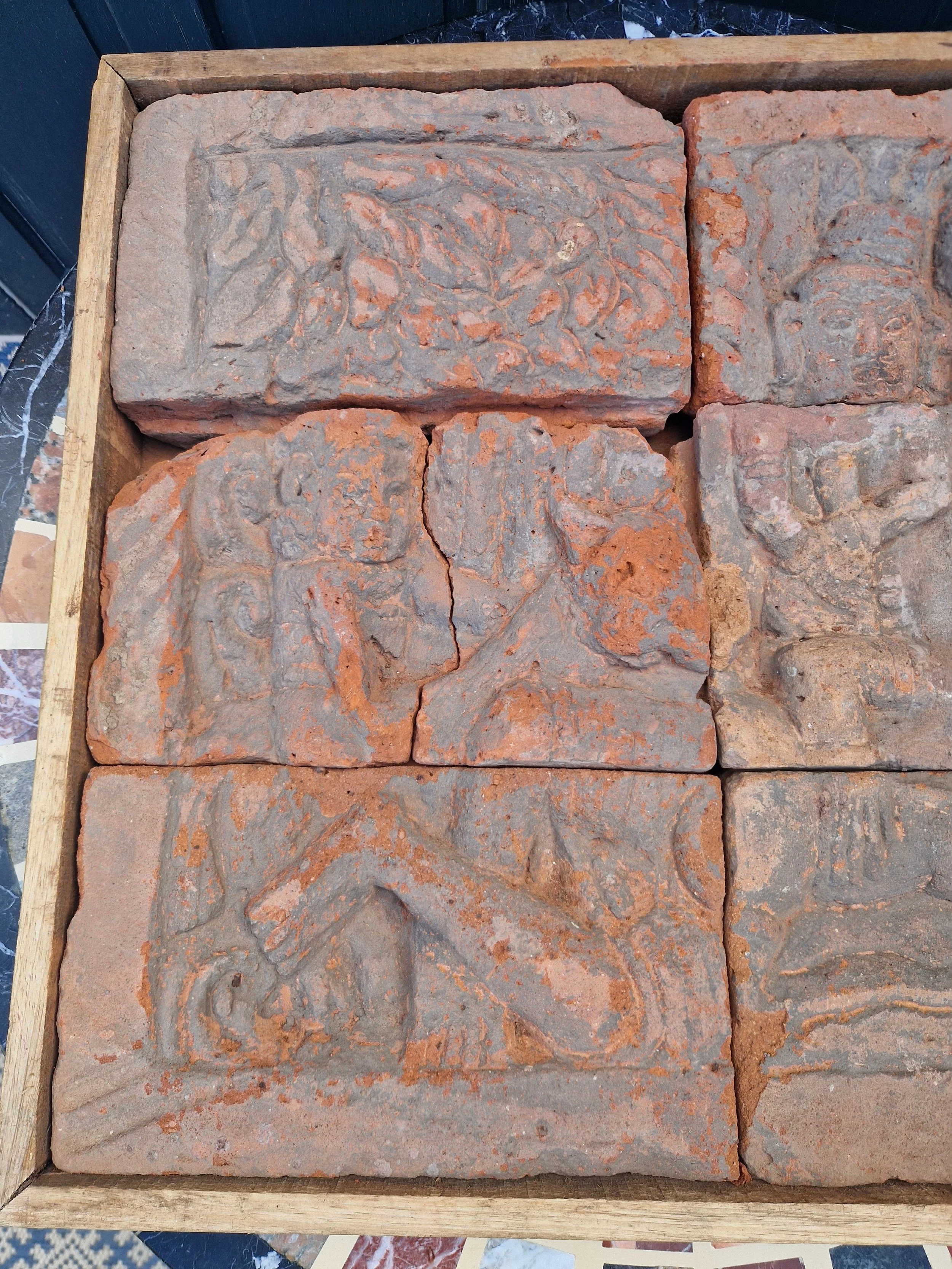
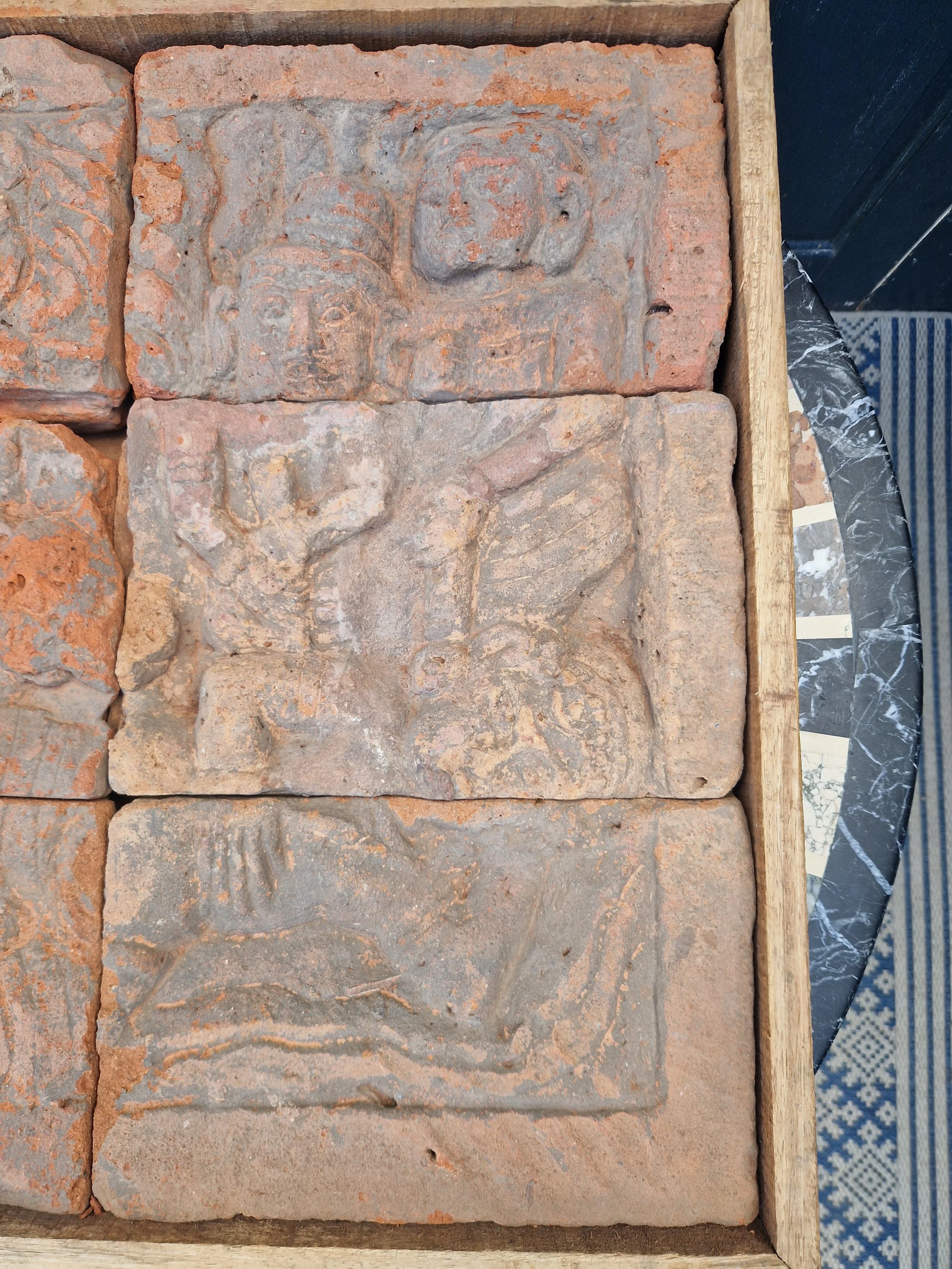
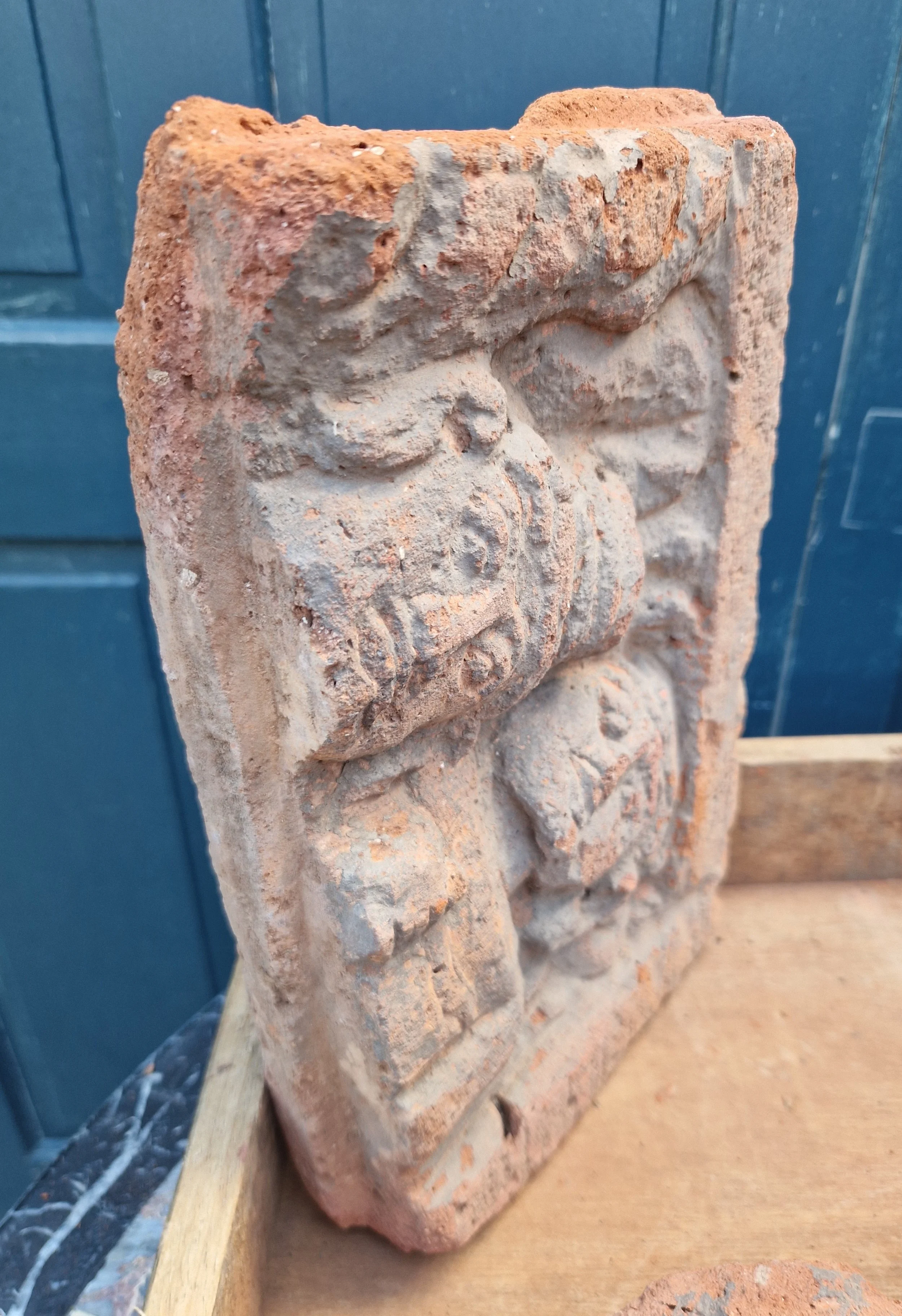
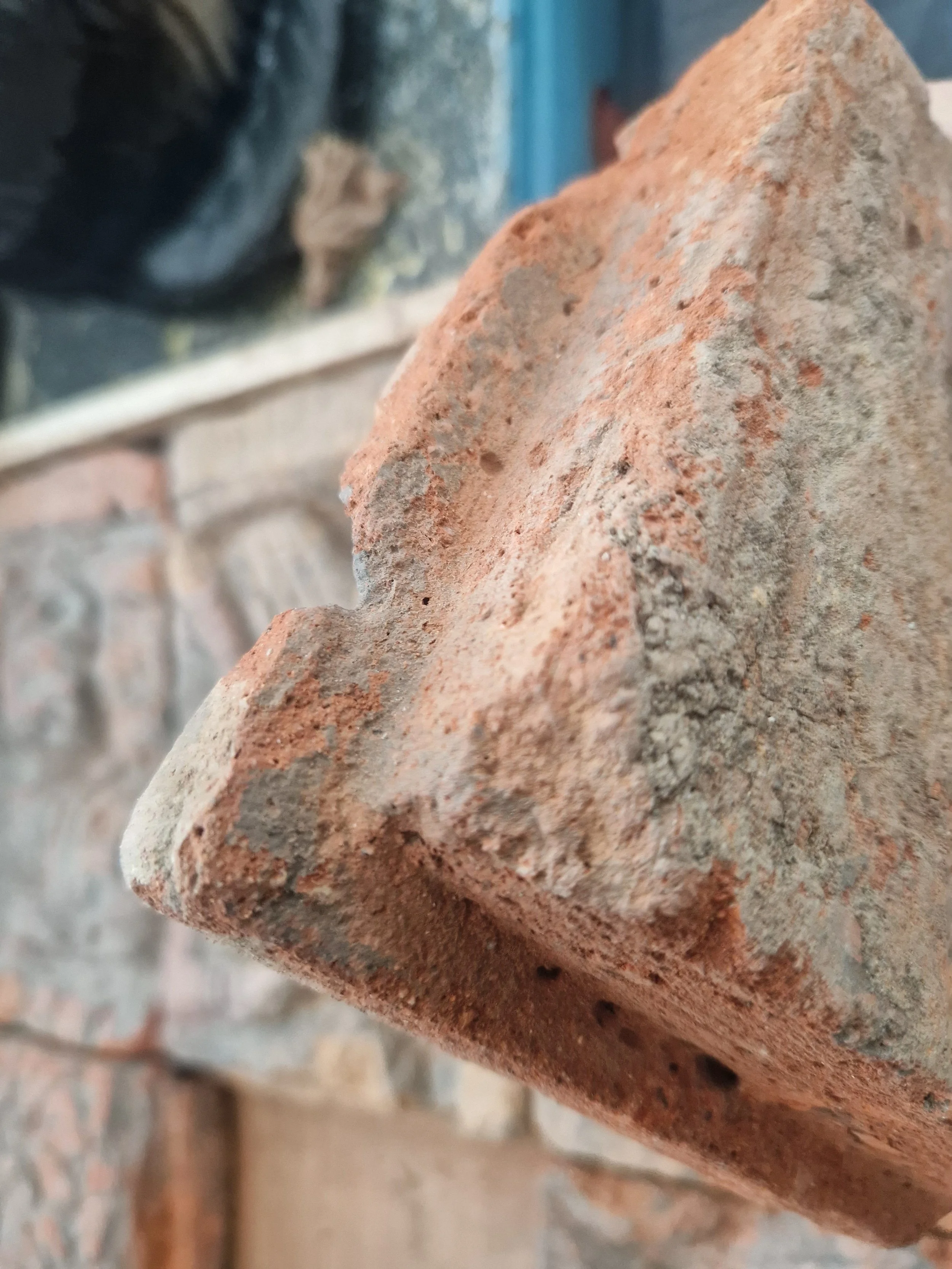
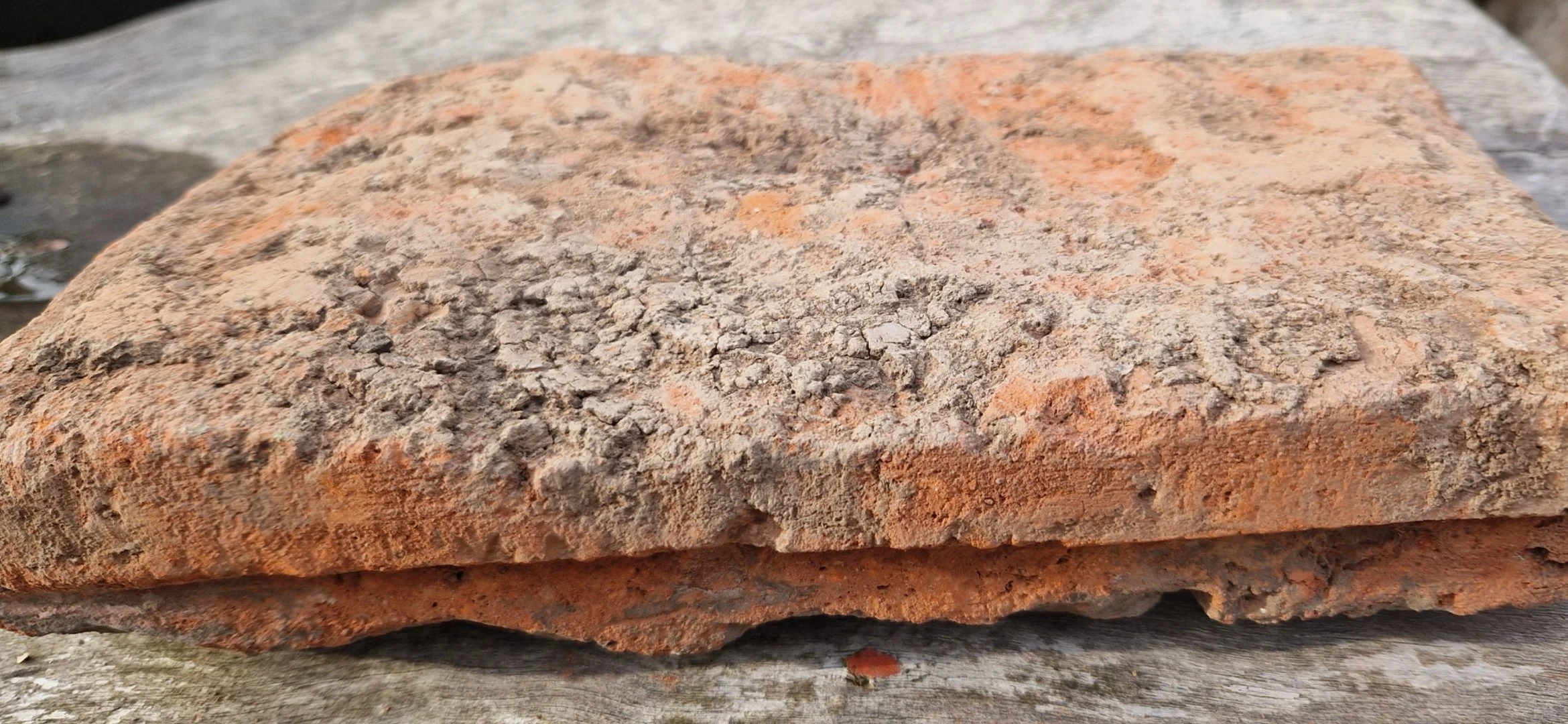
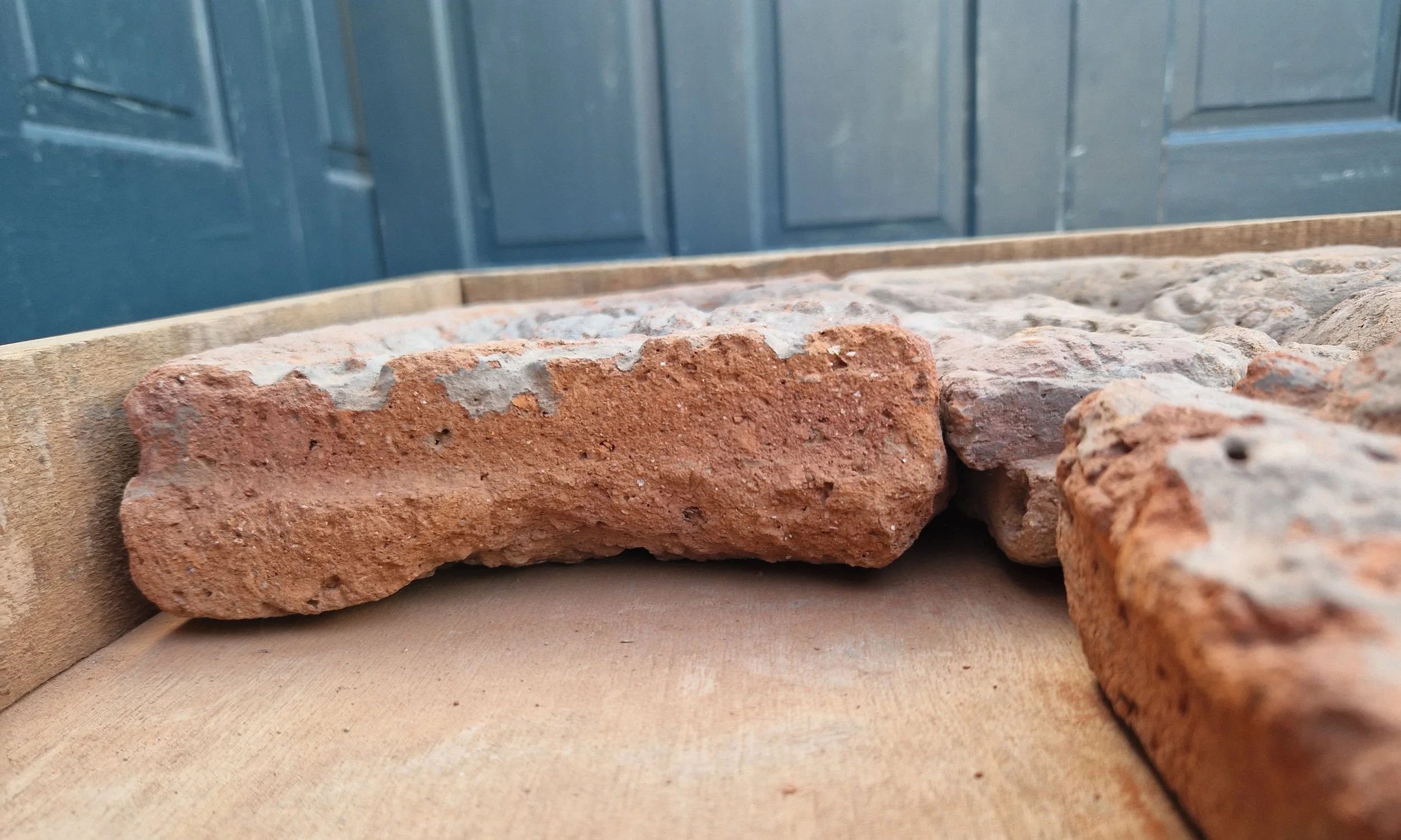
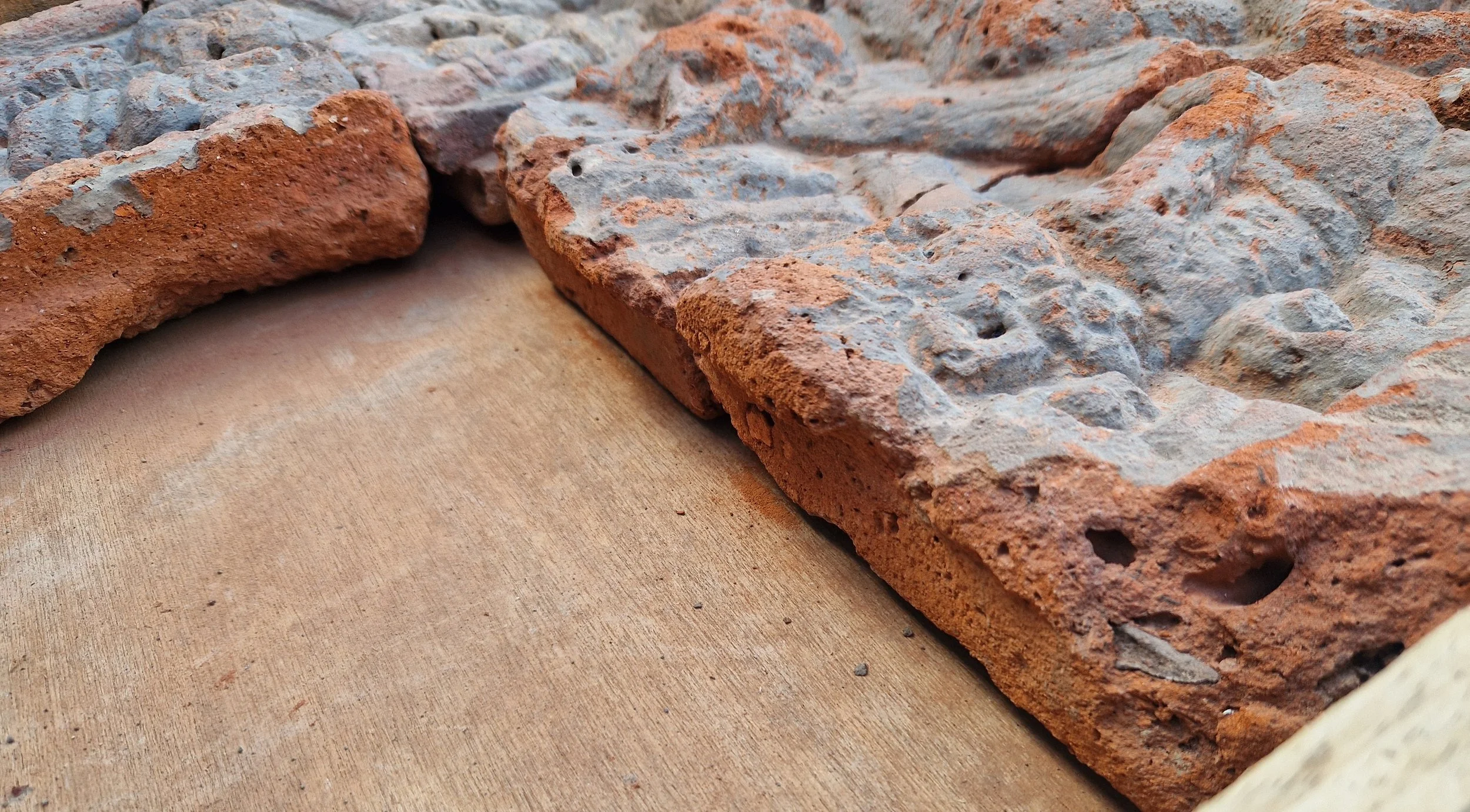
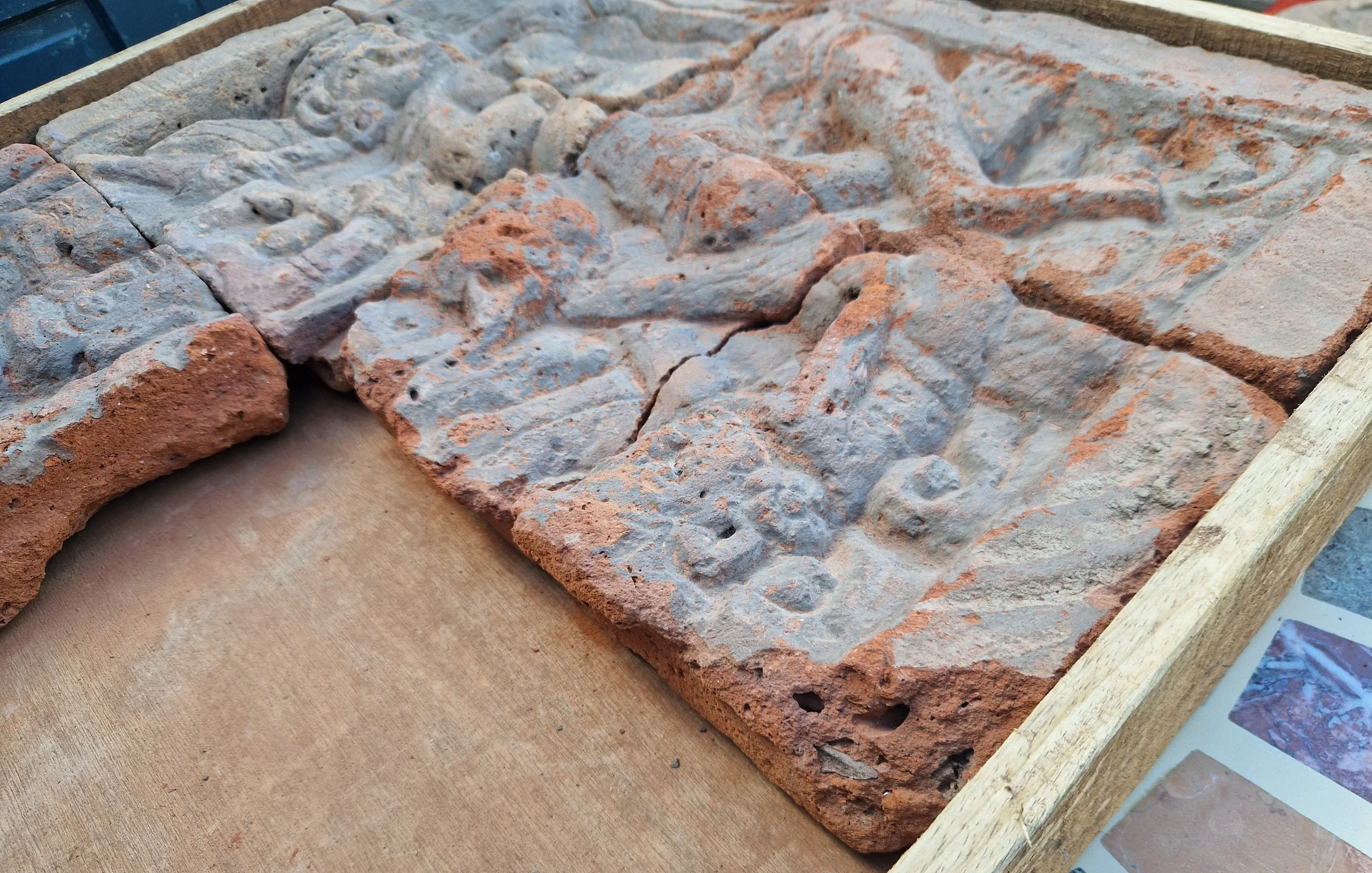
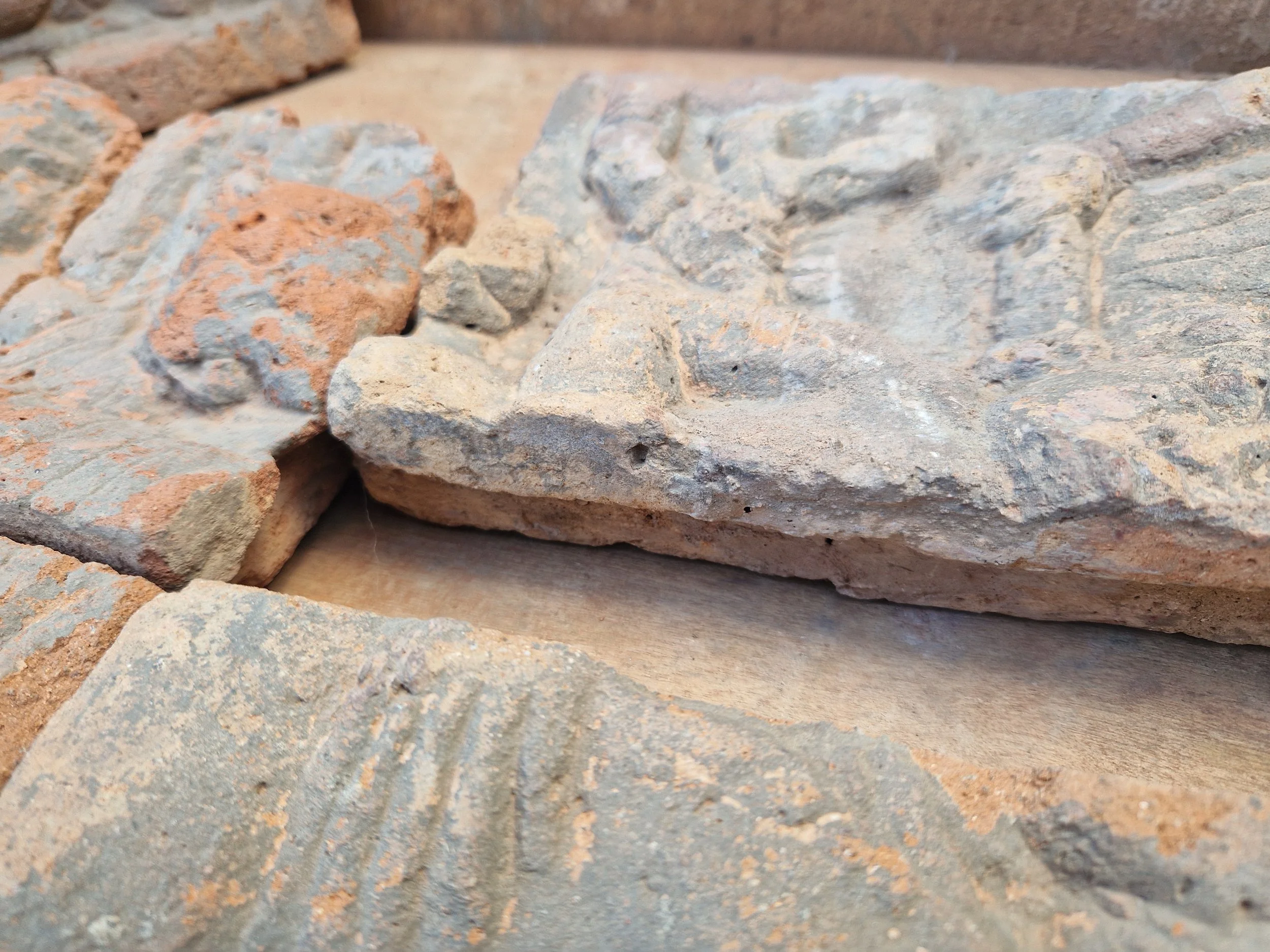
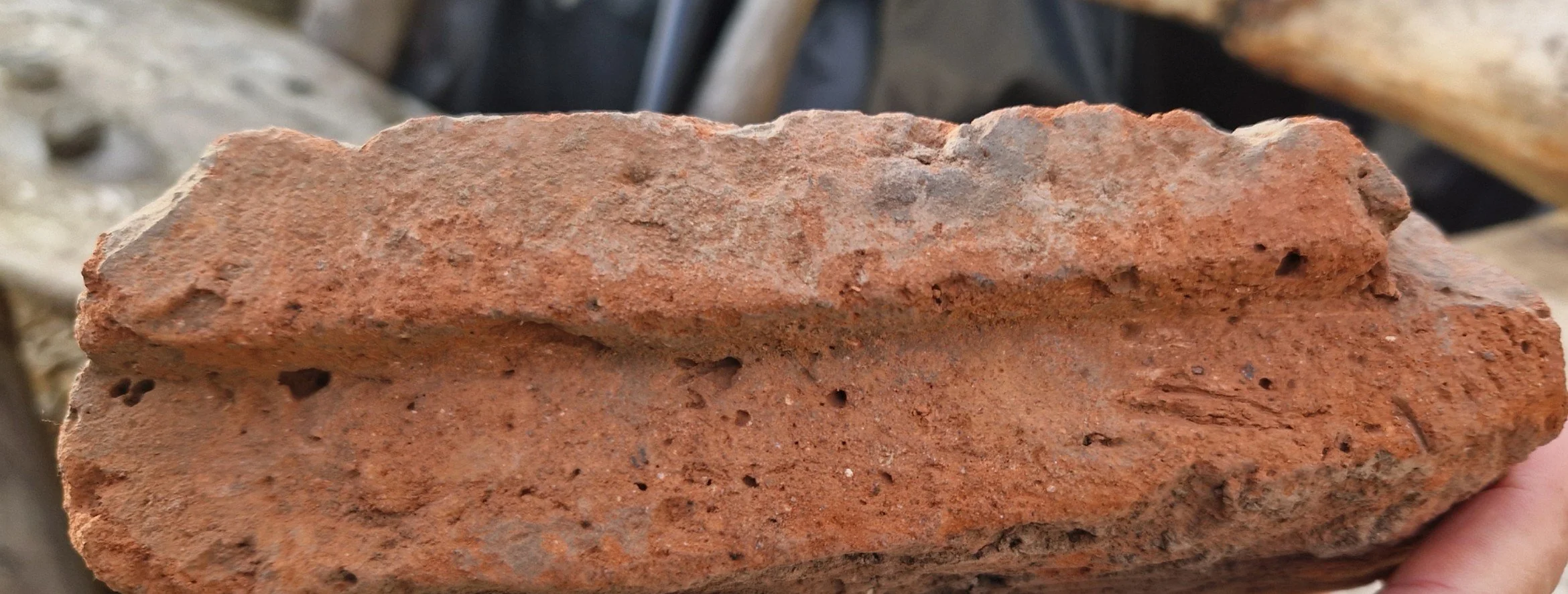
Of particular interest is the fact that all six tiles were evidently designed to fit together as one complete decorative composition. Each tile has carefully formed stepped and overlapping edges, allowing the adjoining sections to sit flush and create a continuous carved surface.
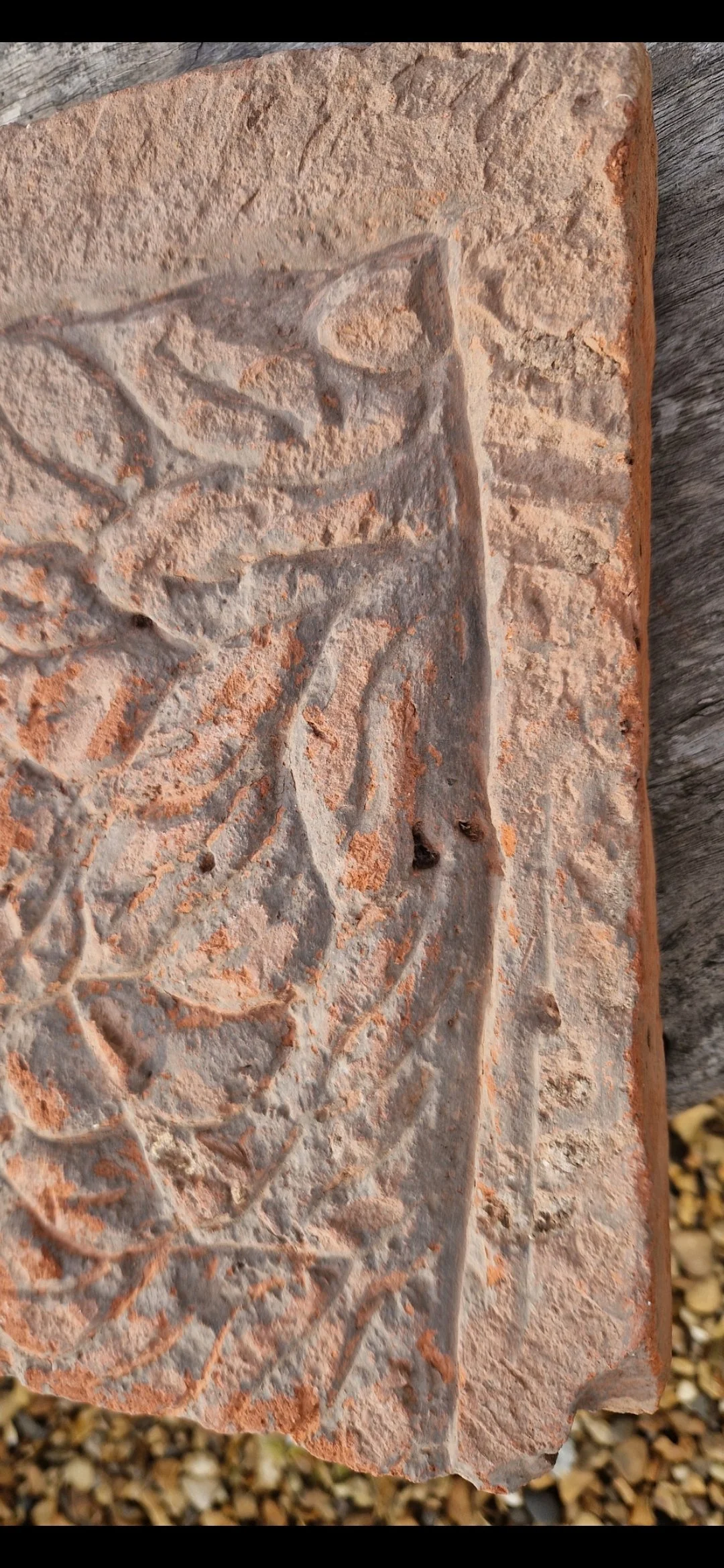
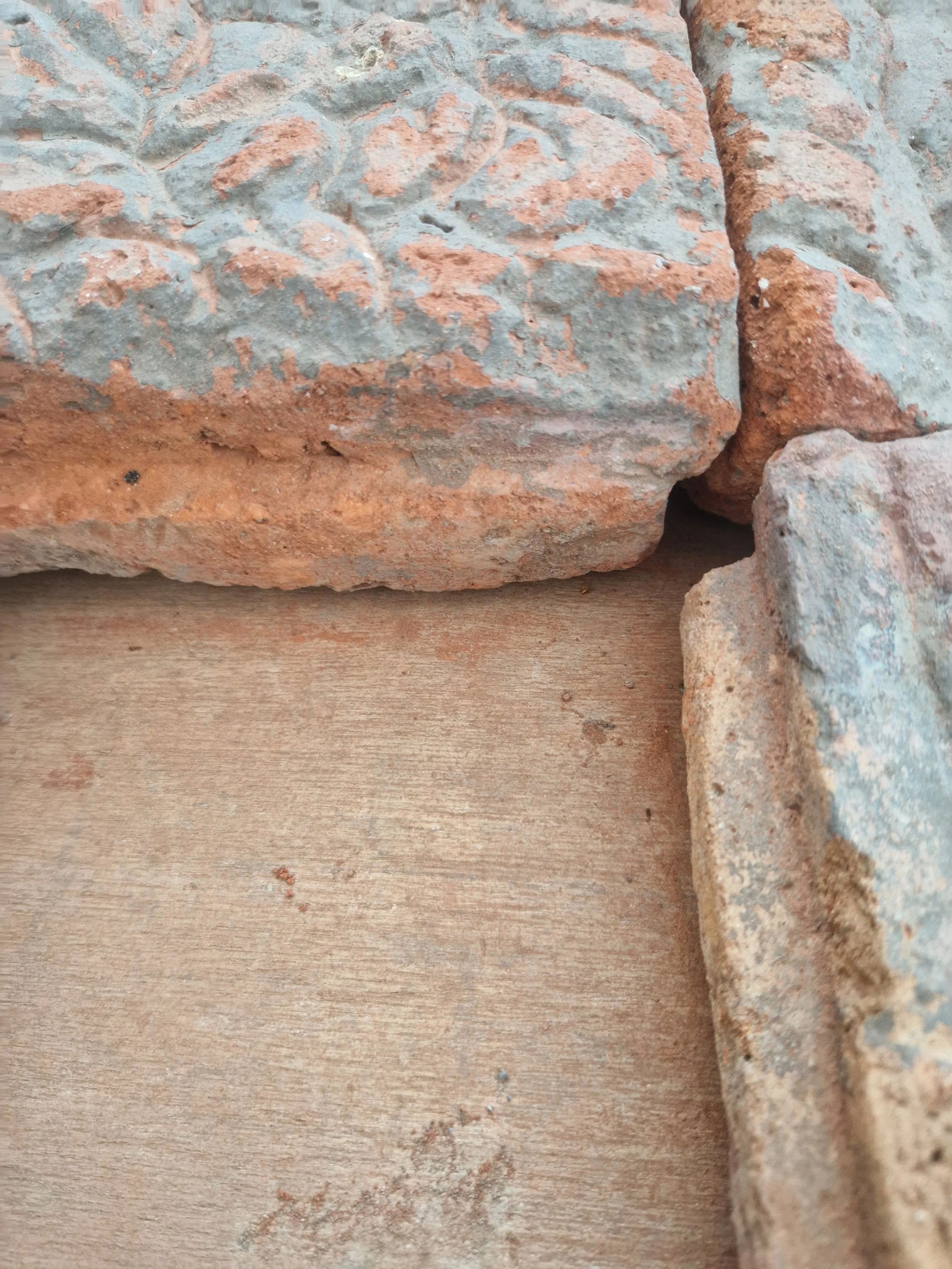
The matching raised borders frame the entire six-tile arrangement, while the relief decoration extends across several of the joins, strongly suggesting that the pieces were originally conceived as a single architectural panel.
The surviving decoration depicts stylised human figures, together with possible narrative and naturalistic elements, including what may represent a tree or foliage. The substantial, rounded modelling of the figures gives the composition a distinctive sculptural character.
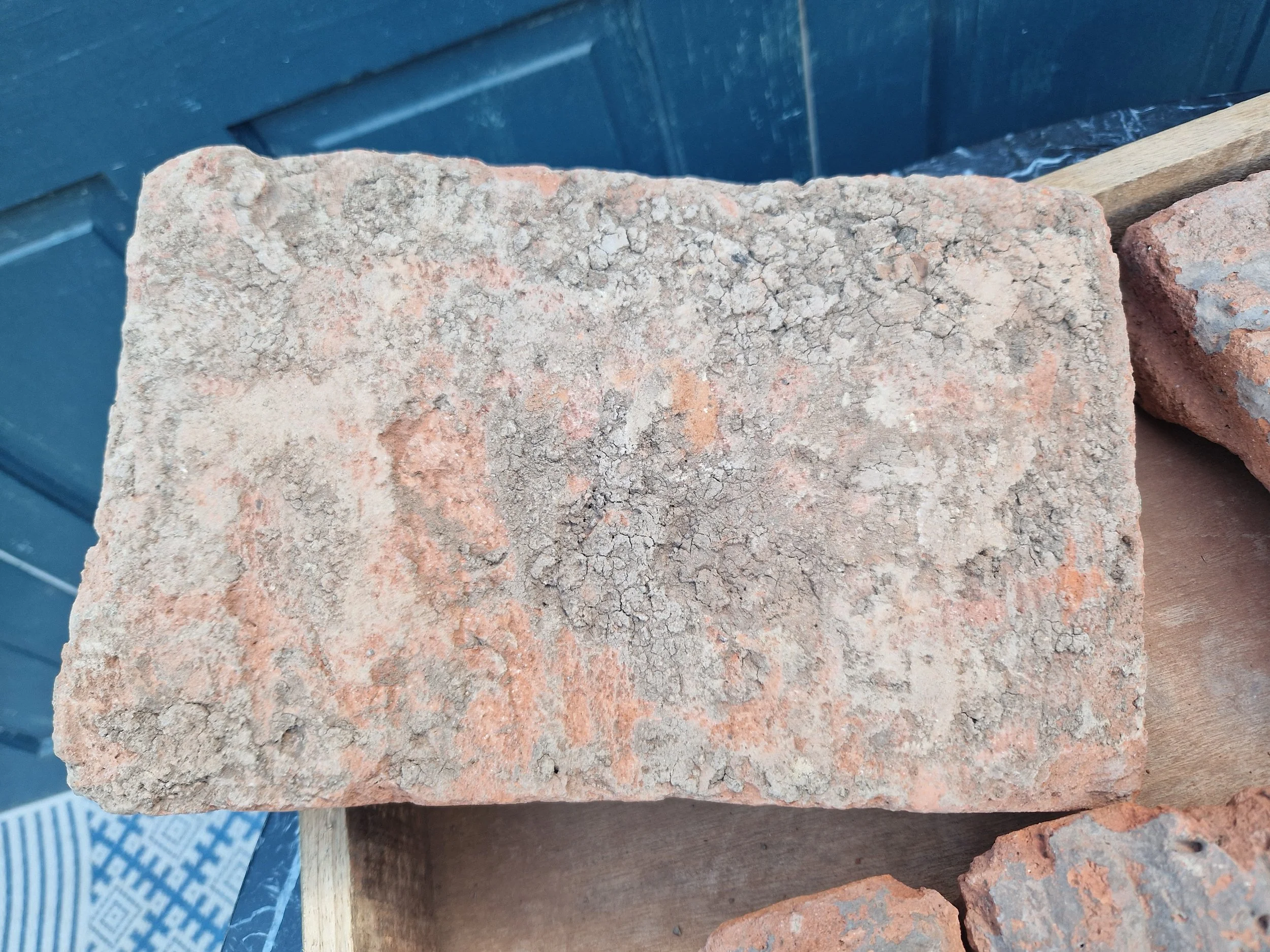
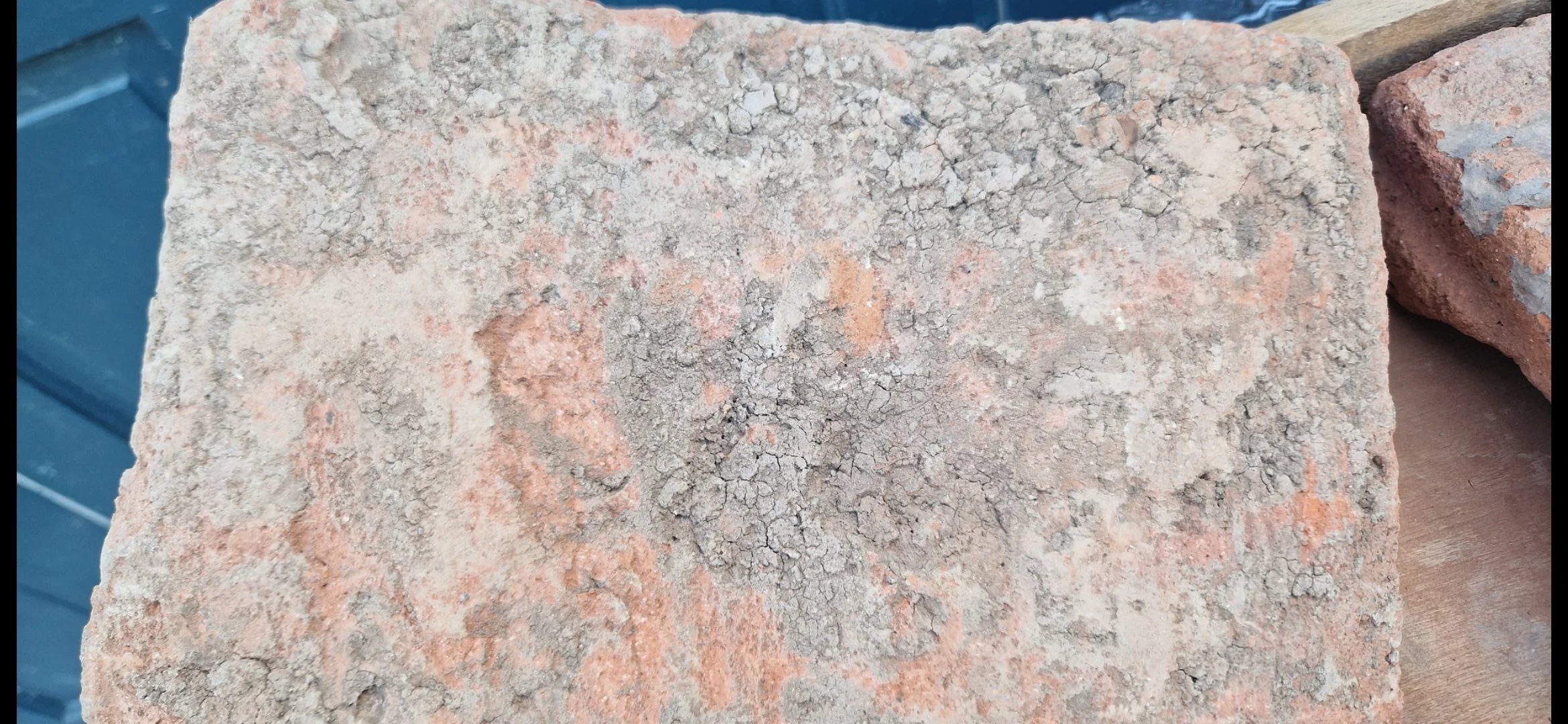
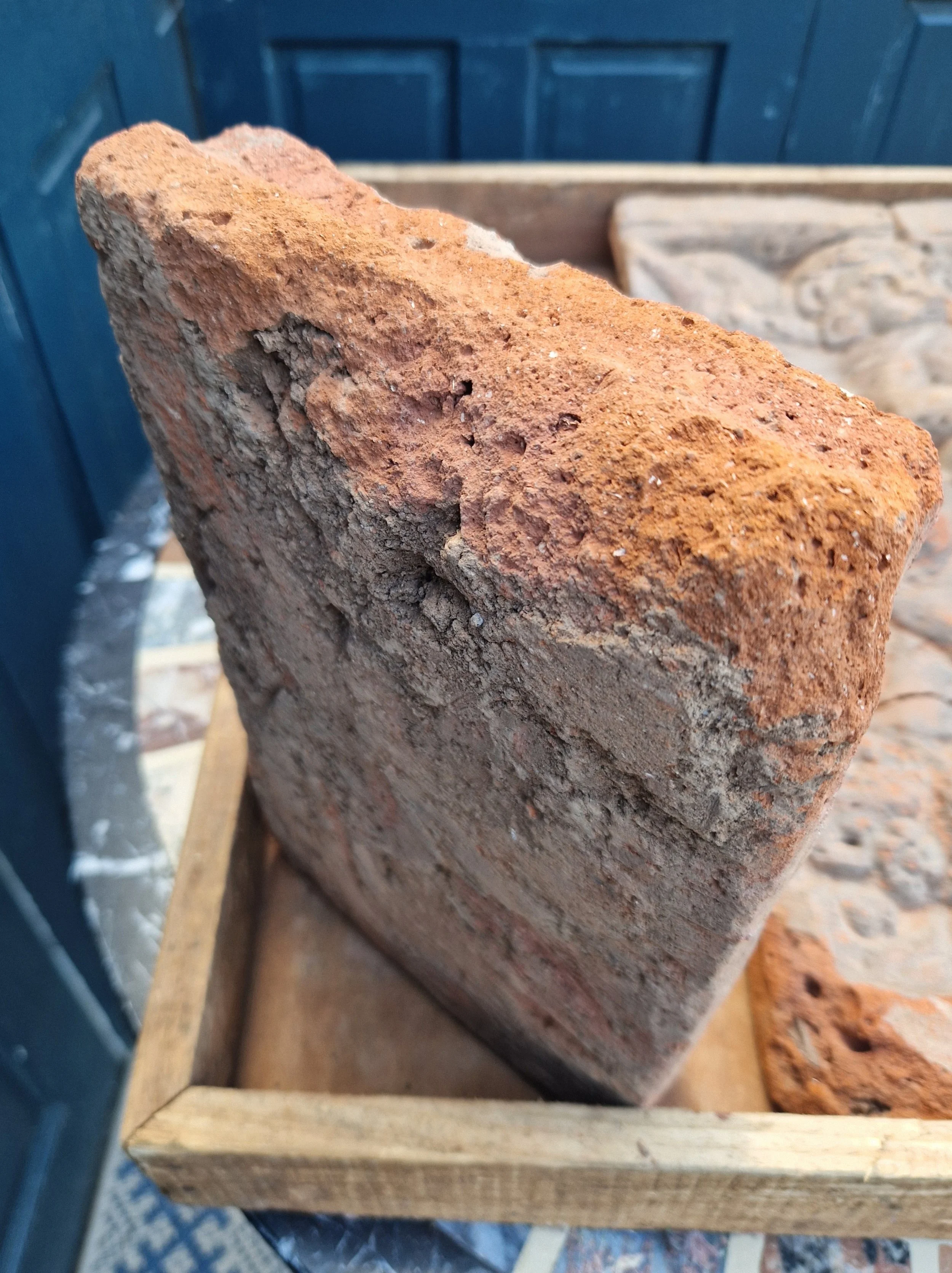
Manufactured from thick reddish-orange terracotta, the tiles display extensive weathering, greyish surface encrustation, erosion and losses, lending the group a striking, time-worn appearance.
Historical Context
Figurative terracotta reliefs were used to decorate religious buildings in Burma and neighbouring regions over many centuries, including during the 11th–15th century.
A particularly close visual comparison can be found in a multi-section terracotta temple relief offered by the specialist dealer Senatus Consulto of Copenhagen, attributed by that dealer to 12th-century Burma. The similarities include the substantial terracotta construction, stylised figurative decoration, framing and overall appearance.
The proposed Burmese origin and 11th–15th-century date are based on comparative research and remain unconfirmed. The precise age, origin and authenticity of the group have not been independently established.
Provenance
Upon acquisition I was informed that the set of tiles were brought back to Britain by a returning serviceman shortly after the Second World War.
Condition
Heavily weathered, with extensive surface erosion, encrustation, chips, irregularities and losses to the relief decoration and edges.
All six sections retain their distinctive overlapping construction and can be assembled to form the complete framed composition.
Please examine the accompanying photographs carefully, as they form an important part of the description.
Quantity: Six adjoining terracotta relief tiles, offered as one group.
Dimensions: The "homemade wooden frame the tiles are currently being presented in measures 63cm x 59cm x 9cm
Individual tile dimensions: Approximately 31 × 18 × 6 cm
Price breakdown: Terracotta architectural relief tiles- £3250, Courier/Delivery Fee UK MAINLAND ONLY £100
Quisque iaculis facilisis lacinia. Mauris euismod pellentesque tellus sit amet mollis.